Will Mahamat Idriss Déby’s pardon ease political tensions in Chad?
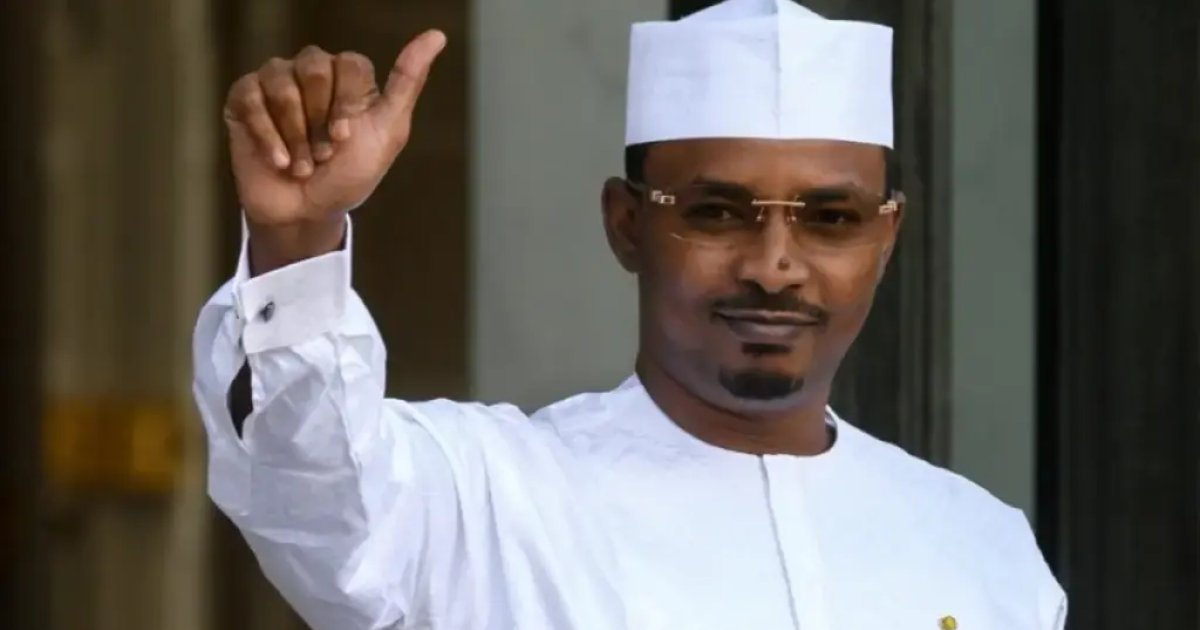
During the 66th anniversary of Chad’s independence, President Mahamat Idriss Déby Itno announced his intention to grant clemency to several convicts. While the identities of those to be pardoned remain undisclosed, the announcement has sparked speculation about the fate of opposition figures, particularly former Prime Minister Succès Masra.
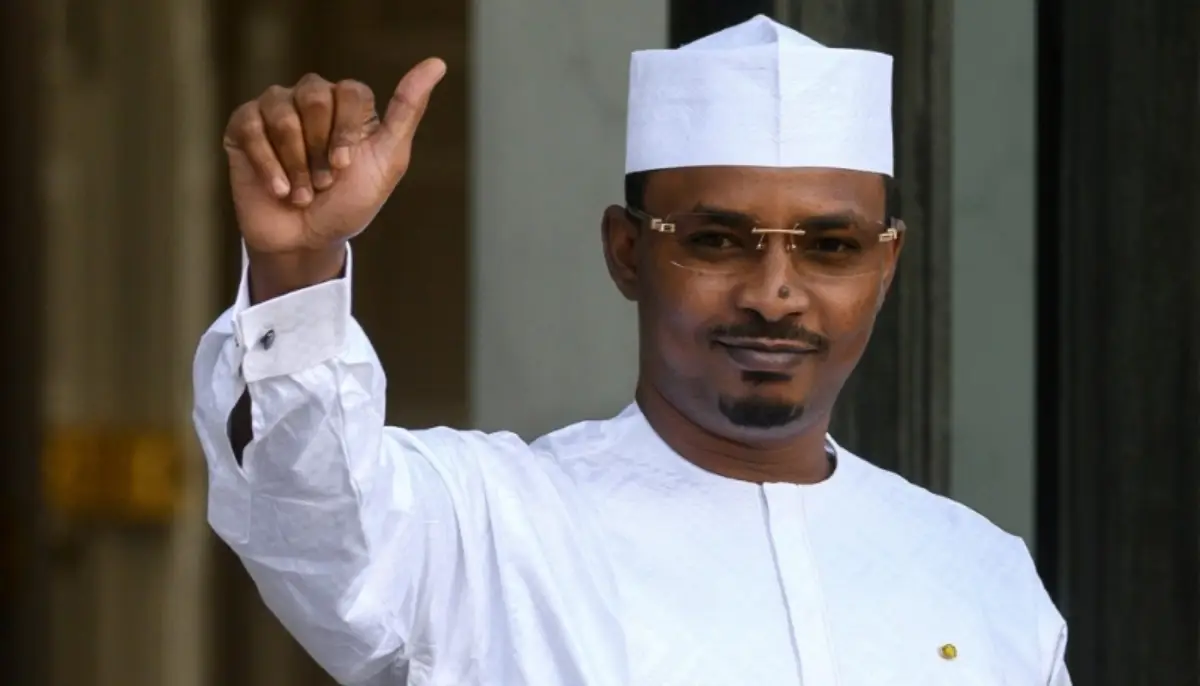
His statement, framed around national unity and reconciliation, leaves the specifics—such as the number of beneficiaries and the nature of their sentences—to be clarified in an upcoming decree. The uncertainty has intensified debates about the fate of detained opposition leaders, whose cases have been at the center of calls for political détente.
Succès Masra: a symbolic case in the pardon debate
The most closely watched figure remains Succès Masra, leader of Les Transformateurs and a former Prime Minister. Convicted in August 2025 to a 20-year prison term for his alleged role in intercommunal violence—including charges of hate speech and complicity in murder—his legal avenues have now been exhausted. The Supreme Court rejected his appeal on May 21, 2026, making a presidential pardon the only remaining legal recourse.
While Les Transformateurs initially pushed for a broader amnesty to address his case politically, the distinction between amnesty and clemency is critical. A pardon would reduce or suspend his sentence without erasing his conviction, whereas amnesty could nullify the legal consequences entirely, potentially restoring his political standing.
Whether Masra is among those pardoned remains unclear, but his situation encapsulates the broader stakes: a gesture of clemency could signal a shift toward reconciliation—or it could remain a symbolic act without addressing deeper political grievances.
Broader opposition demands for détente
The debate extends beyond Masra. The Coalition for Saving Democracy in Chad (COSADT), formed in January 2026, has repeatedly urged the government to release political detainees and engage in dialogue. Their calls come amid escalating tensions, with critics accusing the regime of undermining democratic freedoms under the guise of judicial legitimacy.
The government, however, frames its actions as necessary for stability, pointing to Chad’s July 27, 2026 decision to withdraw from the Rome Statute (effective one year later) as a sovereign choice rather than a retreat from accountability. Opposition groups argue this move weakens international oversight and see the pardon announcement as a potential olive branch—provided it includes figures like Masra.
The upcoming decree will reveal whether the pardon is a routine act of clemency or a calculated step toward political rapprochement. If opposition leaders are among the beneficiaries, it could mark one of the most significant gestures of détente since Chad’s transition ended.