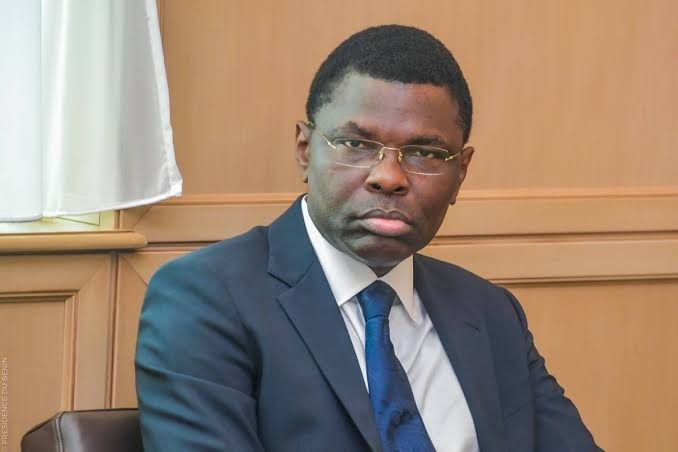
In a bold diplomatic overture during the 86th executive committee and 48th presidents’ conference of the African Parliamentary Union (APU) in Lomé, Benin’s National Assembly President Joseph Fifamè Djogbénou extended an unmistakable hand of friendship to Niger and Burkina Faso. Addressing regional leaders in a rare display of direct engagement, he framed the gesture as both a necessity and a moral imperative, declaring: “As long as the shadow of discord lingers, I remain convinced that dawn will break and clarity will return.”
Diplomatic outreach amid fractured Sahel relations
This renewed call for reconciliation comes at a time when long-standing tensions have deepened, particularly following the prolonged border closure between Benin and Niger since 2023. Despite escalating diplomatic strain and repeated setbacks, Djogbénou has consistently emphasized that dialogue remains the only viable path forward. In a symbolic move, he tied his advocacy to the recent election of Burkina Faso’s representative as APU Secretary-General, reinforcing a message of continuity and shared regional responsibility.
Standing before gathered parliamentarians from across West Africa, he made his intentions clear: “My hand is outstretched not to Niger and Burkina Faso as abstract entities, but because I intend to visit their capitals and sit at their tables.” The statement underscored a rare combination of political resolve and personal conviction.
Institutional continuity fuels Africa-wide peace agenda
Even as Benin undergoes political transitions at the executive level, Djogbénou has ensured that the country’s foreign policy posture remains unchanged. From legislative halls to international forums, the message is unwavering: peace is non-negotiable. This steadfastness reflects a national consensus that the security, stability, and prosperity of Benin are inseparably linked to those of its Sahelian neighbors.
The president’s remarks echoed a broader truth: the crises facing Niger and Burkina Faso are not isolated misfortunes, but shared challenges that demand collective solutions. He drew a stark parallel with migration realities in Europe, where policies do not distinguish between African nationals. “When migrants are pushed back on the shores of Europe, they are African—whether Béninois, Malian, Senegalese, or from Niger,” he said, urging a unified regional response over divisive rhetoric.
Parliamentary diplomacy as catalyst for regional healing
Djogbénou did not mince words when outlining a clear strategy: parliamentary diplomacy must lead where governments hesitate. He urged lawmakers from Benin, Niger, and Burkina Faso to break institutional silos and collaborate with their respective governments to forge a unified front. “No challenge—be it insecurity, economic downturn, or social unrest—can be met with isolation,” he asserted. “Only together can we build bridges strong enough to withstand the storms that loom over the Sahel.”
From Lomé to Niamey and Ouagadougou: a roadmap to recovery
The timing and venue of the address were deliberate. By leveraging the platform of the APU conference in Lomé, Djogbénou positioned Benin not as a mediator in name, but as a proactive partner in healing. His call is not for mediation alone, but for enduring collaboration—one rooted in shared sacrifice, mutual respect, and a vision of collective survival.
The message is unambiguous: the path to regional recovery begins not with walls or sanctions, but with open doors, open minds, and open dialogue. As the Sahel faces its gravest challenges in decades, one thing is clear—Benin is no longer waiting for others to act. It is taking the lead.