World Bank sets stage for $760 million injection into Niger’s key sectors
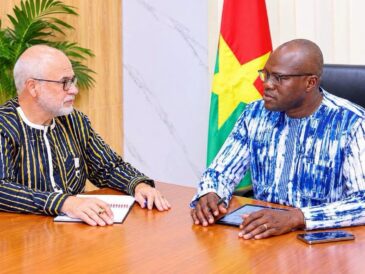
The World Bank is preparing to release an additional $760 million for Niger, targeting critical sectors including energy, agriculture, and water. Announced in Niamey by Ousmane Diagana, Vice President for West and Central Africa, this funding aims to bolster infrastructure and social development in a nation grappling with severe deficits. But as the financial commitment takes shape, the real question remains: will these resources be managed with the transparency required to ensure accountability and impact?
Transparency scores plummet, raising governance alarms
The International Budget Partnership’s latest findings paint a stark picture. Niger’s 2023 Open Budget Survey ranked the country 89th out of 125 nations, scoring just 33 out of 100 for budget transparency. By 2025, the score had collapsed to a mere 6—dropping 27 points in two years. This decline places Niger far below the threshold of 61 points needed for meaningful public scrutiny of state finances.
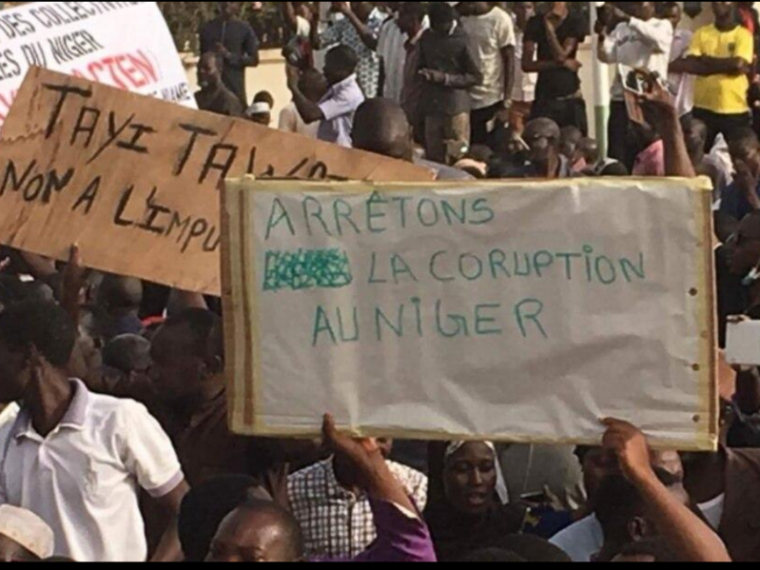
Even more concerning, Niger earned zero out of 100 in both citizens’ participation in budget processes and oversight mechanisms. These figures are not just numbers; they reflect a collapse in the public’s ability to track financial flows, engage in decision-making, and hold institutions accountable.
Shrinking civic space threatens financial oversight
The funding announcement arrives amid growing restrictions on civic freedoms. Independent media outlets face mounting pressures, civil society organizations report increasing operational hurdles, and some NGOs have had licenses suspended or revoked. Such conditions weaken the very structures that should safeguard public funds from mismanagement, corruption, and waste.
Financial transparency is not solely the responsibility of government agencies—it depends on a vibrant ecosystem of watchdogs: investigative journalists, independent auditors, and active civil society groups. When these channels are restricted, the risk of financial mismanagement and misuse rises sharply.
Who will ensure responsible use of the $760 million?
For a country about to receive a massive financial boost, proactive transparency is non-negotiable. The government must disclose funding terms, sectoral allocations, project pipelines, and repayment schedules—especially for loan components. Public access to agreements, tender processes, beneficiary lists, and performance reports must become standard practice.
Independent audits should be conducted regularly to verify that funds align with stated objectives. The World Bank, too, bears a responsibility to enforce its anti-corruption safeguards and ensure that communities affected by funded projects can meaningfully participate in oversight.
A financial windfall without accountability does not strengthen sovereignty—it simply shifts the burden from financial dependence to governance failure.
Can Niger balance economic sovereignty with public accountability?
Niger’s leadership emphasizes national sovereignty, particularly in economic policy. True sovereignty, however, extends beyond diversifying funding sources—it requires rigorous financial stewardship, accountable institutions, and empowered citizens who can demand answers from their leaders.
The $760 million pledge could transform lives and modernize infrastructure. But without transparency, independent oversight, and a robust civil society, Niger risks repeating past mistakes: large investments that yield little public benefit due to weak governance and limited accountability.
The ultimate test for Niger is not how much money it can secure—but how willing it is to open its financial management to public scrutiny. A nation that accepts funding without accountability does not gain strength; it merely exchanges one form of dependence for another.