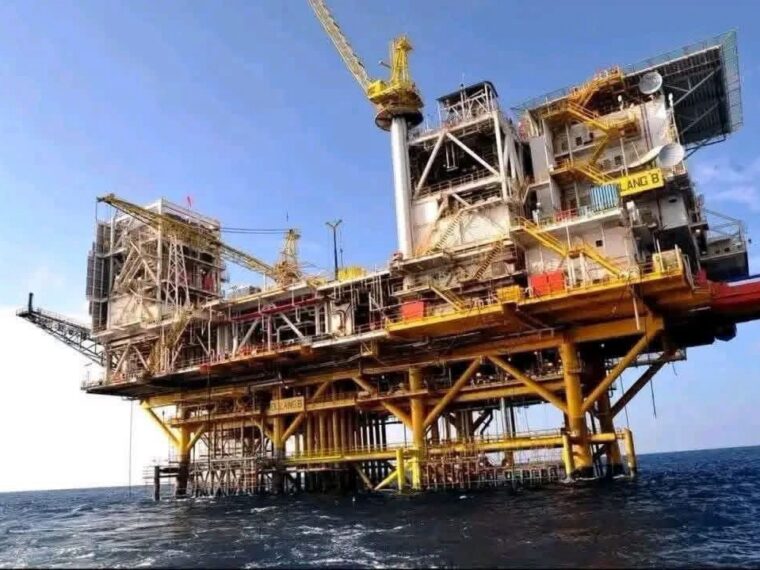
After nearly three decades of dormancy, Benin has resumed crude oil exports with the dispatch of a 330,000-barrel shipment from the Sèmè offshore field to international markets. The cargo, loaded onto the Kriti Jade tanker, is en route to Rotterdam, marking the resumption of commercial production at a long-idle oil deposit.
From shut-in field to export: the technical comeback of Sèmè
The Sèmè field, located off Benin’s coastline, first produced oil between 1982 and 1998 before operations were suspended due to declining output, technical hurdles, and shifting economic conditions. The recent restart required extensive rehabilitation, including new drilling, technical upgrades, and the mobilization of specialized expertise. Since production resumed in early 2026 under operator Akrake Petroleum Bénin, the field has transitioned from rehabilitation to full commercial viability.
The voyage to Rotterdam is not merely symbolic; it signals Benin’s re-entry into the global oil trade after a 30-year absence. Experts tracking maritime routes confirm the Kriti Jade is scheduled to dock in the Dutch port by November 18, 2026.
Economic diversification gains momentum
The restart of Sèmè introduces a new pillar to Benin’s economy, traditionally driven by agriculture, commerce, and port services. While the country remains far from a petro-state, the resumption of crude exports diversifies export earnings and strengthens foreign currency reserves. This development aligns with broader efforts to reduce reliance on volatile sectors and expand the industrial base.
Yet the financial gains hinge on multiple variables: global oil prices, production volumes, operational costs, and contractual terms between the state and the operator. Transparency in revenue sharing, contract disclosure, and public accounting will be critical to assessing the project’s real benefits for national development.
A boost for ancillary industries and local skills
The offshore operations could ripple through Benin’s economy, creating demand in maritime logistics, industrial maintenance, engineering, transport, and subcontracting. The revival also offers opportunities to develop local technical capacity, with potential job creation in specialized roles and partnerships between international firms and domestic enterprises.
For these gains to materialize, local content policies must prioritize training programs, knowledge transfer, and access to contracts for Beninese companies. Over time, this could foster a self-sustaining ecosystem of energy-related services and reduce reliance on foreign expertise.
Crude exports don’t mean cheaper fuel at home
It’s important to clarify: exporting crude oil does not equate to reduced fuel prices domestically. The Sèmè output is a raw material destined for international buyers, not refined products like gasoline or diesel. Without an operational refinery, Benin will continue importing petroleum products to meet domestic demand. The two scenarios are not mutually exclusive and do not conflict.
In the long term, assessing the feasibility of local refining would require evaluating production volumes, crude quality, domestic needs, infrastructure investments, and economic viability. The goal would be to determine whether value addition through refining could retain more revenue within Benin’s economy.
Sustainability and governance: the road ahead
Despite this milestone, challenges loom large. Offshore production demands continuous investment, rigorous environmental safeguards, and robust risk management to protect marine ecosystems and ensure operational safety. The durability of Sèmè’s output will depend on maintaining economically viable production levels, managing operational costs, and accurately assessing recoverable reserves.
Revenue management will also be a litmus test. To avoid the pitfalls of resource-dependent economies, proceeds must fund infrastructure, education, healthcare, and energy development. Regular audits of production data and revenue streams will be essential to ensure accountability and allow citizens to gauge the project’s impact.
For Benin, the first shipment to Europe from Sèmè is more than a transaction it’s a statement. It underscores the revival of an untapped energy asset and introduces a new pathway for economic diversification. The challenge now is to institutionalize this progress, ensuring the sector contributes not just barrels exported, but lasting prosperity for the nation.
By Thomas Nkoulou — Journalist