Bénin’s Senate convenes—here’s what changes
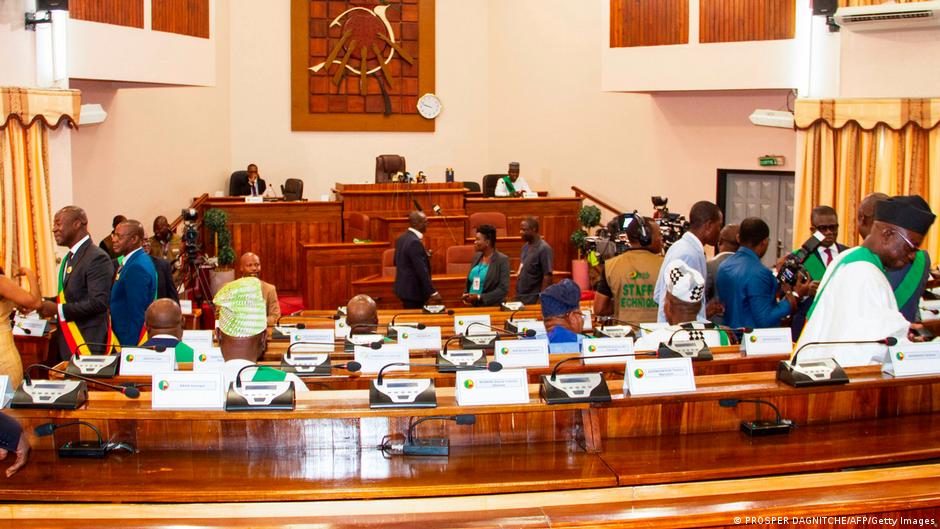
The Senate officially takes shape today with the swearing-in of its 25 members, including former presidents of the Republic. Designed as a chamber of wisdom and a council of elders, it aims to safeguard social cohesion amid lingering political tensions.
Established through the November 2025 constitutional amendment, the Senate will temporarily operate from the National Assembly building until its permanent headquarters are finalized. Earlier this week in Cotonou, under the leadership of retired Constitutional Court President Maître Robert Dossou, senators convened in closed session to organize their agenda.
Council of Elders or Political Regulator?
The Senate’s composition includes former presidents Patrice Talon, Boni Yayi, and Nicéphore Soglo—figures with divergent political views. Citizens and analysts anticipate this institution will act as a stabilizing force, fostering a more regulated political ecosystem.
“We see this Senate as a guide toward peace, considering our nation’s political history. It should foster a calmer, more balanced political environment without stifling dissenting voices,” notes political analyst Eugène Allossoukpo.
Governance expert Joël Atayi-Guèdègbé emphasizes the weight of responsibility on the Senate’s shoulders: “Given the caliber of individuals set to serve, this chamber must embody wisdom. It cannot afford to repeat past political conflicts; its role is pivotal.”
Budget Implications of the New Institution
Critics question the financial burden of this new chamber, with 100 million West African CFA francs already allocated for its installation ceremony alone.
“The Senate, though smaller in scale, will inevitably increase public spending. While four annual sessions are planned, we hope to avoid excessive extraordinary meetings. Despite the generous compensation for its members, we trust the chamber will exercise fiscal prudence. Democracy, after all, comes at a cost,” Atayi-Guèdègbé remarks.
All eyes now turn to the Senate’s presidency. Will former President Patrice Talon assume the role? The 25 inaugural senators face a critical mission: demonstrating that national stability justifies this new democratic investment.