As Cameroon evaluates a potential aerial link with Libya, one question dominates the debate: can this project truly unlock new economic and logistical opportunities for the nation?
Libyan delegation advances proposal for direct Tripoli-Yaoundé flights
Cameroon’s Minister of Transport, Jean Ernest Masséna Ngallè Bibehè, recently convened an official meeting with a Libyan delegation led by Adel Shawi, Chargé d’affaires at the Libyan Embassy in Cameroon. During the September 23rd, 2026 discussions, both parties explored the feasibility of establishing a direct air route between Tripoli and Yaoundé. The proposal, which comes at a time of Libya’s cautious reopening of its airspace, signals a potential shift in regional connectivity.
The Cameroonian government has already taken proactive steps by initiating technical working groups to thoroughly assess the Libyan offer. These teams, comprising aviation experts and economic analysts, are tasked with evaluating the logistical, regulatory, and security implications of reopening this long-dormant corridor.
What’s driving this push for a Cameroon-Libya air link?
The initiative is not merely about passenger travel—it’s a strategic move with broader economic ambitions. A direct Tripoli-Yaoundé route could:
- Boost trade and investment: Streamlined air connectivity would facilitate smoother exchanges between Cameroon and North African markets, enhancing economic ties.
- Strengthen logistical networks: The route could serve as a gateway for cargo flights, reducing transit times for goods moving between Central and North Africa.
- Enhance regional mobility: For Cameroonians, a direct flight to Libya would offer easier access to Europe via Libyan hubs while opening new travel opportunities within the continent.
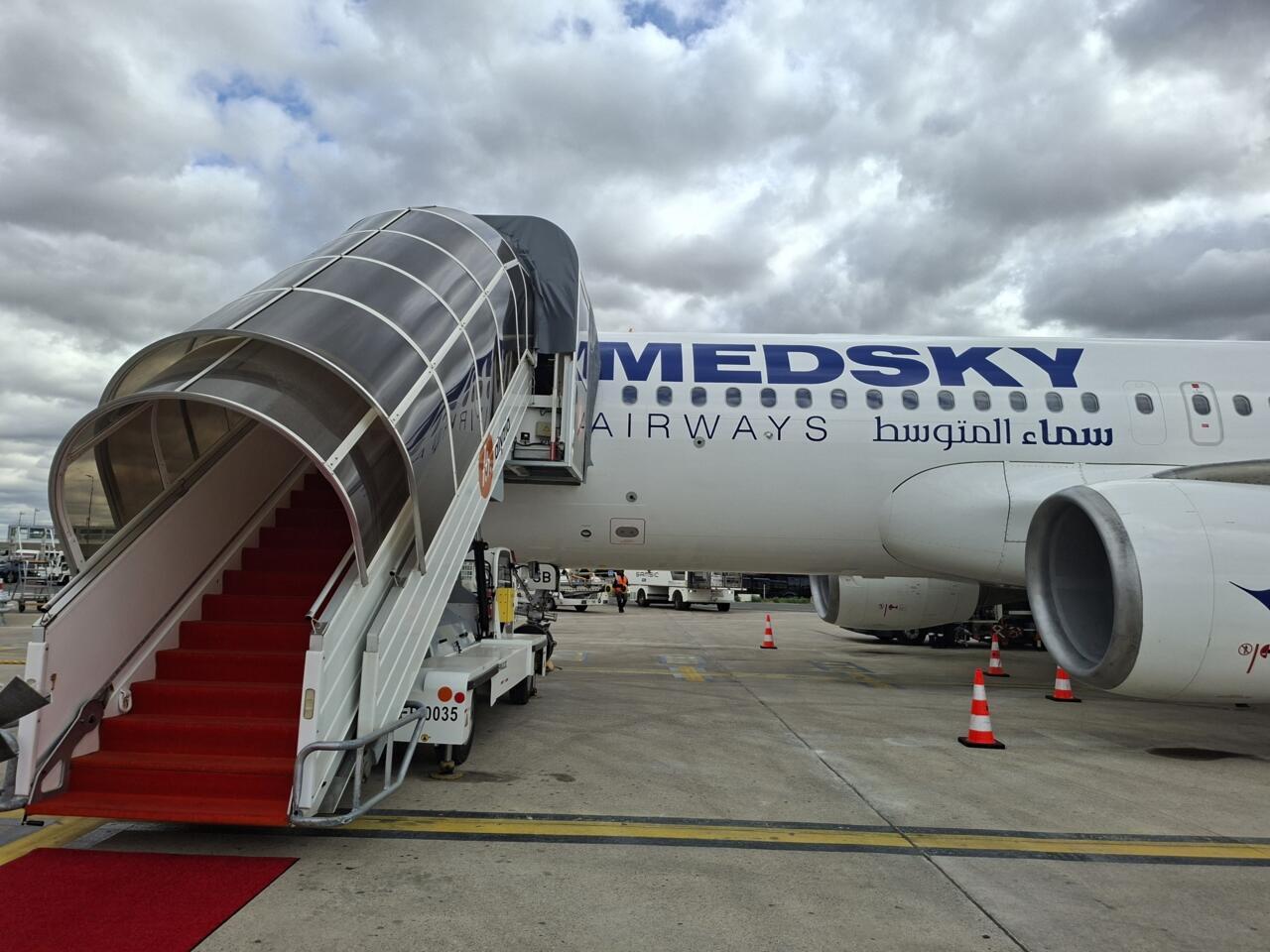
Libya’s MesSky Airlines recently resumed flights from Tripoli to Paris and Benghazi, marking a tentative return to international air travel after years of disruption. While security concerns persist, the resumption of these routes demonstrates Libya’s commitment to reintegrating into the global aviation network—a prerequisite for the Tripoli-Yaoundé project to gain traction.
Challenges and critical considerations ahead
Despite the enthusiasm, significant hurdles remain. Cameroon’s aviation authorities must address:
- Aviation safety standards: Libya’s airspace has faced scrutiny over security protocols, raising questions about compliance with international regulations.
- Regulatory alignment: Harmonizing aviation policies between the two nations will be essential to ensure seamless operations.
- Market viability: Demand for direct flights must be assessed to guarantee the route’s long-term sustainability.
Cameroon’s proactive stance—through the creation of working groups—suggests a measured but determined approach. The government’s willingness to engage with Libya’s proposals reflects a broader strategy to diversify air travel partnerships and reduce reliance on traditional Western aviation hubs.
What’s next for this high-stakes aviation project?
The coming months will be decisive. If Cameroon’s working groups present a compelling case, the project could move from discussion to implementation. Key milestones to watch include:
- Finalization of technical feasibility reports by aviation experts.
- Negotiations on bilateral aviation agreements to formalize the route.
- Assessment of passenger and cargo demand by potential carriers.
The Tripoli-Yaoundé air link is more than a travel route—it’s a litmus test for Cameroon’s ability to leverage new partnerships in an evolving aviation landscape. As the working groups deliberate, the nation stands at the precipice of a potentially transformative decision for its air transport sector.