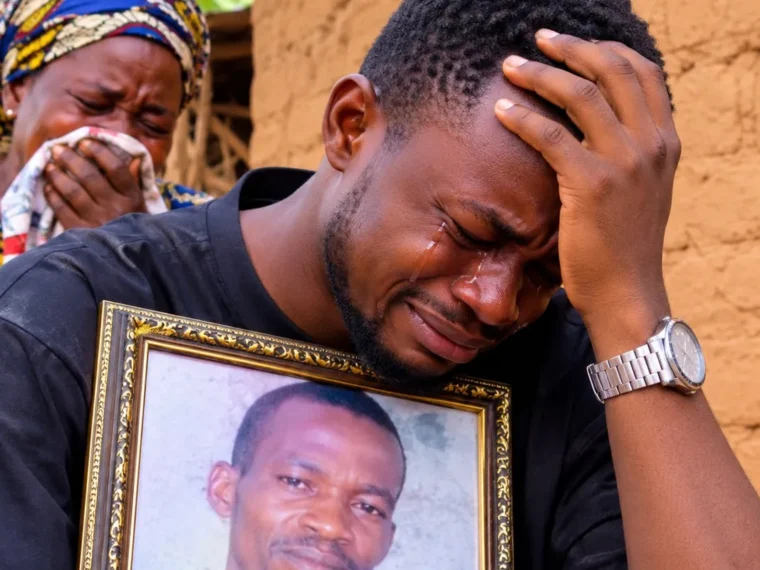
Birao, Central African Republic — The sudden disappearance of Al-Nazir Rizigala, a prominent community leader in Vakaga, has sent shockwaves through the region’s fragile economy and raised urgent questions about the long-term stability of this resource-rich but conflict-torn prefecture.
Local economy braces for impact as abduction stokes instability
The eleven-day disappearance of Al-Nazir Rizigala, following his abduction by armed mercenaries in Vakaga, threatens to derail what little economic progress the prefecture had achieved in recent years. Businesses reliant on cross-border trade with neighboring Chad and Sudan are already reporting sharp declines in activity, with traders halting shipments and market stalls operating at a fraction of their usual capacity.
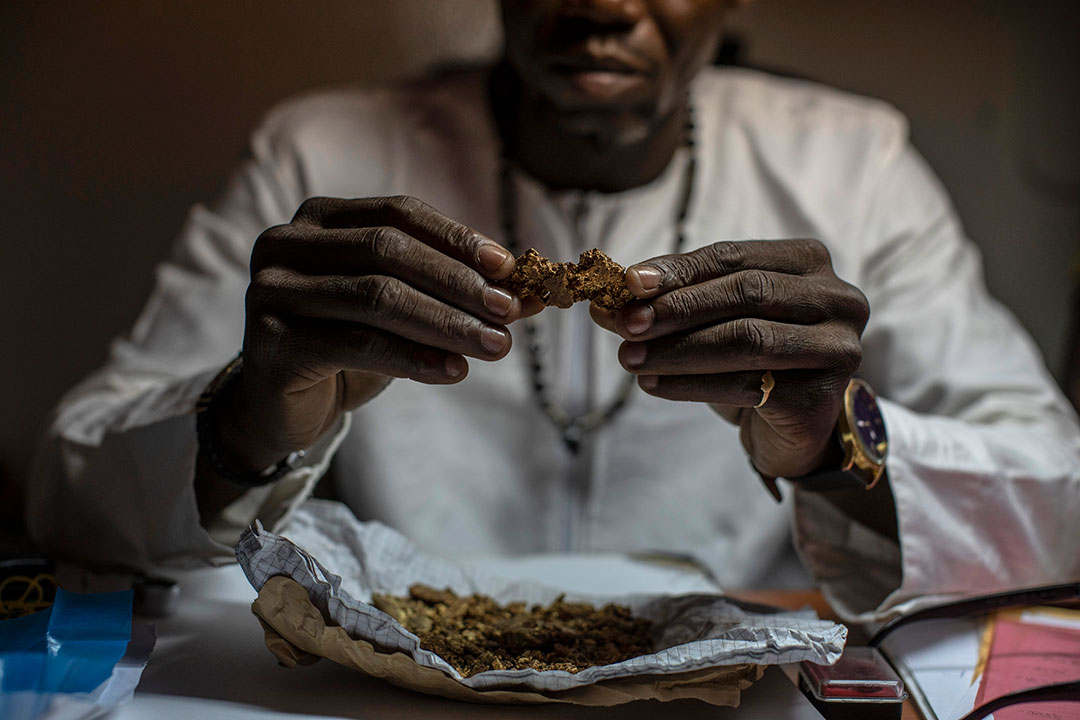
Vakaga, despite its remote location, serves as a critical corridor for cattle, gold, and agricultural goods flowing between Central Africa and the Sahel. The ongoing uncertainty has disrupted not only local markets but also raised concerns about food security, as delays in supply chains risk exacerbating already strained resources in a region where malnutrition rates remain high.
Community leaders warn of deeper crisis without swift resolution
Local elders and civil society groups in Birao have described the abduction as a deliberate attack on stability, emphasizing that Rizigala’s influence extended beyond political leadership to the very fabric of community cohesion. His absence has left a leadership vacuum, with residents fearing an escalation of violence that could further isolate Vakaga from humanitarian aid and economic recovery efforts.
- Gold mining operations halt: Artisanal gold mines, a key source of income for hundreds in Vakaga, have suspended operations due to safety concerns and the withdrawal of security patrols.
- Cross-border trade paralyzed: Traders report armed checkpoints and increased extortion risks, deterring movement of goods to and from Chad and Sudan.
- Humanitarian aid delayed: NGOs working in healthcare and food assistance have temporarily suspended non-essential services, citing the inability to safely reach remote villages.
Central African Republic’s fragile stability in the balance
The incident underscores broader vulnerabilities in the Central African Republic’s security landscape, where external armed groups continue to exploit local conflicts for control over lucrative resources. Observers note that Rizigala’s abduction could embolden other factions to target influential figures, further destabilizing a prefecture already reeling from years of conflict and neglect.
While authorities have yet to confirm Rizigala’s whereabouts or the motives behind his abduction, the region’s fragile recovery now hangs in the balance. Without decisive action to restore security and protect civilian leaders, the economic and humanitarian consequences could ripple far beyond Vakaga’s borders.