Mapping gender-based violence support services takes shape in N’Djamena
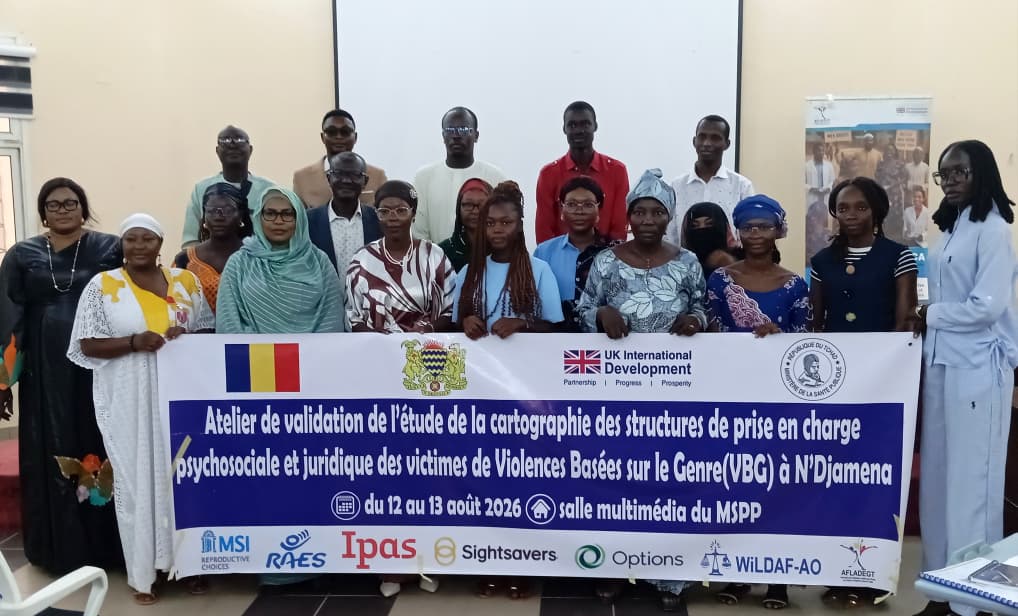
The Association of Feminist Leaders for Access to Rights and Gender Equity in Chad (AFLADEGT) is hosting a two-day validation workshop in N’Djamena, running from August 12 to 13, 2026. The session centers on reviewing a newly completed study that maps out legal and psychosocial support services for survivors of gender-based violence (GBV). Funded under the WISH 2-WACA initiative, the study aims to strengthen the referral system and enhance coordination among service providers.
The workshop brings together officials from relevant ministries, civil society groups, technical and financial partners, and specialized agencies. Participants will assess the findings and propose refinements to ensure the map meets the needs of survivors.
Why a GBV service map matters
At the opening session, AFLADEGT chairperson Wouténé Mélissa emphasized that the mapping exercise is more than a static document—it’s a dynamic tool for guiding survivors to appropriate services and advocating for policy improvements. She stressed that women and girls facing violence must have immediate access to clear, reliable information on where to seek help.
« Survivors shouldn’t have to navigate confusion or delays when trying to access support. This map will help ensure they reach the right services quickly and receive care that respects their dignity and rights, » she stated.
Key gaps revealed in the study
The study highlights critical shortfalls in service coverage, survivor awareness, referral mechanisms, and resource availability. These findings are expected to guide recommendations for strengthening existing programs, improving referral pathways, and mobilizing additional funding.
Dr Kadidja Amadaye Abgrene, Director of Reproductive Health, underscored the severe impact of GBV on survivors’ fundamental rights. While acknowledging government efforts—such as legal reforms and the launch of integrated service centers—she noted persistent challenges, particularly in legal and judicial support. Fewer than 11% of identified survivors receive effective legal assistance, and informal settlements, lack of information, and weak referral coordination remain major hurdles.
The mapping also uncovered uneven service distribution across city districts, insufficient confidential reception spaces, and shortages in trained personnel and equipment.
Next steps: turning data into action
Both leaders agree that the study’s results should inform concrete steps to streamline survivor referrals, improve sectoral collaboration, and shape public policy. The goal is to transform the map into a living tool that drives systemic change and ensures no survivor is left without support.