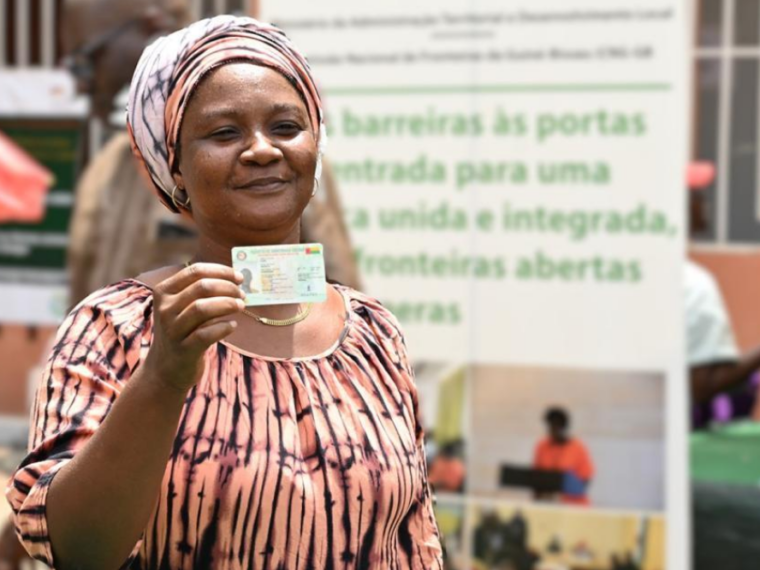
The ECOWAS National Biometric Identity Card (ENBIC) will become the sole regional travel document for all 15 member states starting January 1, 2027. This landmark decision, confirmed at the November 2026 immigration chiefs summit in Freetown, Sierra Leone, replaces the outdated ECOWAS handwritten travel certificate and paves the way for seamless border crossings without additional visa requirements.
Official recognition of ENBIC as a regional travel document
Under the newly adopted Freetown Declaration, all valid ENBIC cards issued by member states will be accepted as sufficient proof of identity and citizenship at official border crossings. This applies even if the issuing country has not yet completed full national deployment of the biometric system.
The decision marks a significant acceleration in ECOWAS’s long-standing push for visa-free movement—a core principle of the 1979 protocol that has seen limited progress over the decades. Nigeria’s Immigration Service Chief, Isah Gambo, emphasized that the initiative strikes a balance between fostering regional integration and maintaining border security.
From policy dream to practical reality
First proposed in 2014, the ENBIC project aimed to modernize regional travel documents but faced repeated delays in implementation. The 2027 deadline imposes a strict timeline for member states to align national systems with the new requirements. Key milestones include:
- Technical standardization: Harmonized authentication protocols for border agencies across all member states.
- Operator training: Frontline border officials will undergo mandatory certification to handle ENBIC verification.
- Cost transparency: Elimination of arbitrary fees or supplementary documentation that could undermine the reform’s goals.
- Regional verification system: A proposed ECOWAS-led mechanism to cross-check card authenticity in real time.
National governments have until December 2030 to submit updated deployment roadmaps to the ECOWAS Commission, ensuring accountability and progress tracking.
Who stands to benefit most?
The ripple effects of simplified travel could reshape West Africa’s socioeconomic landscape. Priority beneficiaries include:
- Cross-border traders: Reduced delays at customs checkpoints will streamline the flow of goods, especially in high-traffic corridors like Lagos-Cotonou or Abidjan-Ghana.
- Transport and logistics: Truck drivers and ride-hailing operators will no longer face inconsistent document checks, lowering operational costs.
- Commuters and families: Visits to relatives or medical appointments across borders—such as Senegal-Gambia or Burkina Faso-Niger routes—will require minimal paperwork.
- Tourism and informal economies: Small-scale vendors and artisans relying on seasonal migration will gain predictable market access.
Challenges ahead: turning policy into daily practice
While the political will is now firmly in place, operational hurdles remain. Disparities in national ID systems—from Sierra Leone’s pilot phases to Nigeria’s mass rollout—risk creating friction at borders if not addressed. The ECOWAS Commission is tasked with:
- Deploying a shared biometric verification database accessible to all member states.
- Coordinating joint exercises to test interoperability between neighboring countries.
- Addressing public skepticism about the card’s reliability, particularly in countries with lower trust in government-issued documents.
The January 2027 launch will serve as the ultimate litmus test: not just whether ENBIC is recognized on paper, but whether it delivers tangible freedom of movement for the region’s 400 million citizens.
What travelers need to know now
Until the full rollout, citizens should:
- Check their current ENBIC’s expiration date and validity status through their issuing country’s registration portal.
- Prepare for potential hybrid transition periods where some borders may still accept both ENBIC and older travel certificates.
- Report any denials of entry based on ENBIC to their national immigration authority for immediate review.
The Freetown Declaration signals a new chapter for West Africa—but its success hinges on the collective action of governments, border agencies, and citizens alike.