Niger summons EU envoy over Algeria troop talks sparking sovereignty debate
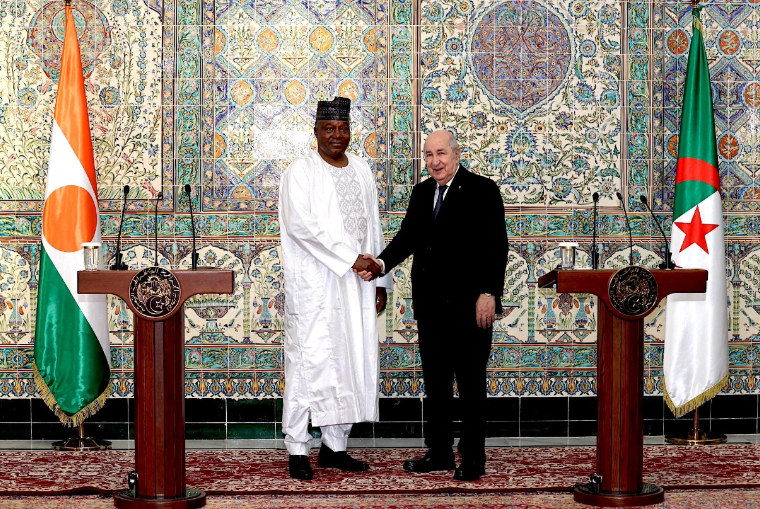
The Nigerien transitional government summoned the European Union’s chargé d’affaires in Niamey on Monday, November 9, after EU spokesperson comments questioned the presence of Algerian troops on Nigerien soil. Authorities deemed the remarks “unacceptable and condescending”, reigniting a discussion about where diplomatic concerns end and unwarranted interference begins.
What did the EU say—and why did Niamey react?
Brussels raised questions about the scope, objectives, and legal basis of Algerian military deployment in Niger, a cooperation arrangement not involving the European Union. Niamey’s leadership viewed the statements as an affront to its sovereignty and an overreach of the EU’s diplomatic role. The government demanded clarifications, framing the move as a direct challenge to Niger’s sovereign decision-making on security partnerships.
Core points of contention
- Sovereignty vs. inquiry: Niger insists no external actor, including the EU, can question its bilateral military agreements with Algeria.
- EU’s right to comment: Brussels argues that regional stability in the Sahel is a shared concern and that transparency requests do not equate to interference.
- No legal basis for veto: International law permits diplomatic dialogue but does not grant the EU authority to veto sovereign defense choices.
International law and diplomatic speech
The UN Charter’s Article 2(7) protects states from coercive interference in domestic matters. However, general comments, clarifications, or expressions of concern do not violate this principle. Requesting information does not imply control, nor does raising regional stability concerns negate sovereignty. The distinction rests on intent and method: legitimate dialogue versus attempted coercion or imposition.
Why Brussels insists on transparency
The Sahel’s security landscape remains volatile, with armed groups, cross-border threats, and fragile regional cooperation. A military presence involving multiple nations—regardless of bilateral agreements—raises legitimate questions among international partners. The EU, a key regional actor, has a stake in stability and regional security architectures. While not a party to the Niger-Algeria pact, it retains the right to express analysis and request details on arrangements that could impact wider geopolitical dynamics.
Can diplomacy move beyond confrontation?
Both sides share responsibility. Niamey can defend its sovereignty without dismissing all external observation as meddling. Brussels can voice concerns without implying a supervisory role over African defense decisions. The path forward lies not in escalating statements but in recognizing mutual rights: Niger’s freedom to choose partners and the EU’s right to assess regional implications.
This episode underscores a fundamental truth: sovereignty and dialogue are not mutually exclusive. Respect for one does not negate the need for the other.
Key takeaways for Niger and its partners
- Sovereignty remains intact: Niger’s military cooperation with Algeria is its own sovereign choice.
- EU’s role is consultative: Questioning is not controlling; expressing concerns is not interfering.
- Regional stakes matter: Stability in the Sahel depends on collaboration, not unilateral dismissal of external perspectives.