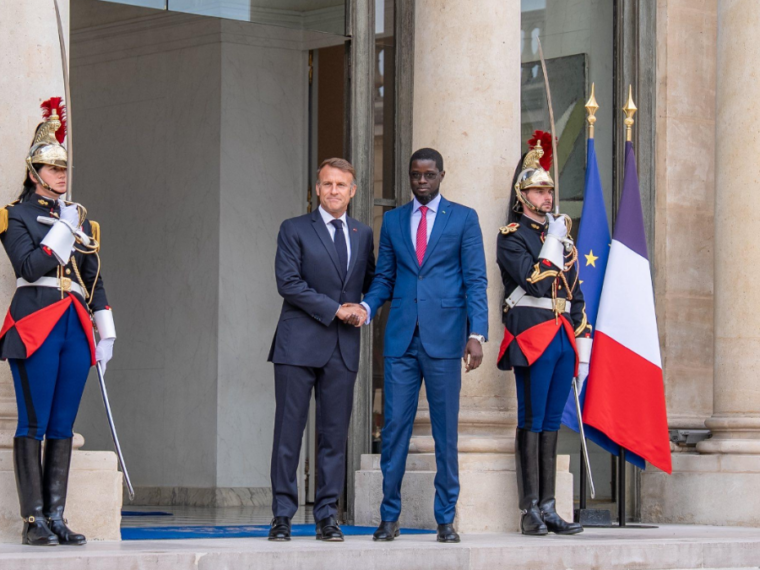
The 9th Paris Peace Forum, held November 10-11, 2026, positioned Africa at the heart of global discussions on peace, sovereignty, and governance. Senegalese President Bassirou Diomaye Faye and Beninese Digital Transformation Minister Mahuna Akplogan emerged as key voices, reinforcing the continent’s growing influence in shaping international policy.
Paris forum spotlights African leadership in global peace talks
The forum convened heads of state, government officials, and civil society leaders to address pressing global challenges—from armed conflicts to geopolitical tensions and technological disruption. For Senegal and Benin, participation was not merely symbolic; it reflected a strategic move to position their nations as active architects of solutions rather than passive observers.
Senegal’s diplomatic push: sovereignty and shared security priorities
President Bassirou Diomaye Faye’s attendance underscored Dakar’s commitment to redefining its role in international affairs. His pre-forum meeting with French President Emmanuel Macron highlighted bilateral priorities: deepening economic cooperation, reinforcing mutual respect, and aligning on regional security—particularly in the Sahel, where terrorism and instability persist.
The Senegalese delegation aimed to elevate African perspectives on critical issues:
- Sahel security and counterterrorism strategies
- Reform of global governance institutions
- Equitable development financing models
- Climate-resilient economic policies
By advocating for African-led solutions, Senegal sought to shift the narrative from aid dependency to partnership-driven progress.
Benin champions digital sovereignty as a pillar of peace
Mahuna Akplogan’s presence at the forum brought a forward-looking dimension to Africa’s participation. As Benin’s Minister of Digital Transformation and Artificial Intelligence, his focus was clear: ensuring Africa’s technological autonomy in an era where data, AI, and digital infrastructure define global power dynamics.
Key themes in Benin’s advocacy included:
- Development of homegrown AI and tech solutions
- Regulation of digital platforms to protect African interests
- Strategic investments in digital public infrastructure
- Harnessing technology to bridge development gaps
The message was unmistakable: sustainable peace and prosperity require African control over the tools that drive the 21st century.
Global stage, African solutions: who else was in Paris?
The forum’s diversity reflected its global relevance. Alongside Senegal and Benin, leaders from Timor-Leste, Lithuania, Slovakia, Armenia, the Seychelles, the UAE, Haiti, and Spain participated, demonstrating that peacebuilding is a universal priority. Yet Africa’s role stood out—not as a recipient of solutions, but as a co-creator of them.
From dialogue to action: can the forum deliver real change?
The Paris Peace Forum’s true test lies in its outcomes. For Senegal and Benin, the challenge now is translating high-level discussions into tangible partnerships, policy commitments, and investment flows. Both nations arrived in Paris with clear agendas:
- For Senegal: securing greater African representation in global decision-making bodies
- For Benin: advancing digital sovereignty as a cornerstone of economic independence
Their participation signals a broader continental shift: Africa is no longer waiting for invitations to the table. It is bringing its own agenda—and the tools to implement it.
Why Africa’s voice matters now
Africa’s growing influence at forums like this is driven by three realities: a young, dynamic population; vast natural and energy resources; and an economic potential that global partners increasingly cannot ignore. Yet without equitable partnerships, sustainable investments, and meaningful representation in institutions like the UN or IMF, these assets risk remaining untapped.
Senegal and Benin’s strategies—one rooted in diplomatic leadership, the other in technological innovation—offer a blueprint for how Africa can shape its own future. The Paris Peace Forum provided the stage. The question now is whether the world is ready to listen—and act.