Berlin steps up military cooperation with Cotonou to combat growing extremist violence
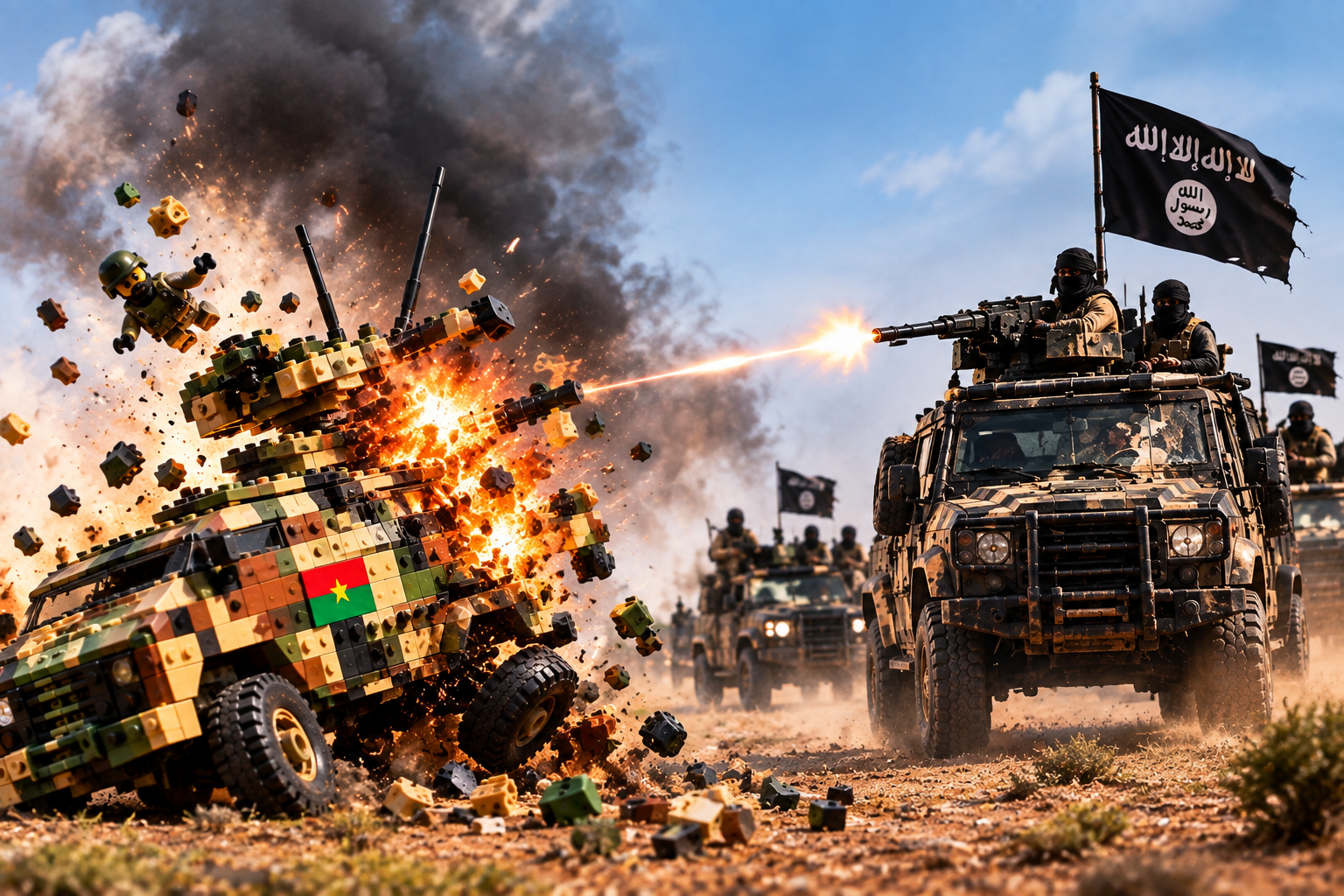
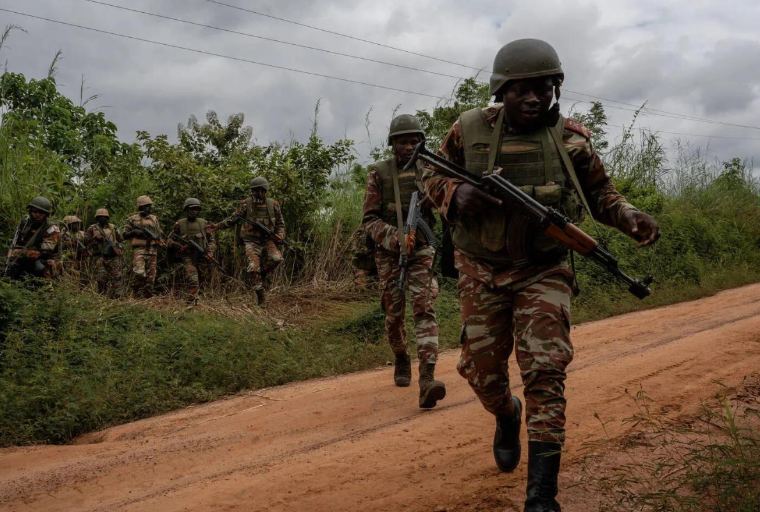
Germany is deepening its defense partnership with Benin as jihadist incursions escalate along the West African nation’s northern border—a region sharing frontiers with Burkina Faso and Niger. Recent military deliveries and planned expert deployments signal a new phase of collaboration aimed at bolstering Benin’s counterterrorism infrastructure and countering regional spillover threats.
Mutual defense initiatives take concrete shape
In late 2026, Berlin delivered over €3 million in military gear to Benin’s armed forces, including night vision equipment and individual protection kits. A subsequent consignment of 550 helmets and 1,266 portable respirators was handed over in January 2027, underscoring the speed and scale of German support. These transfers follow a long-standing history of bilateral military training: more than 350 Beninese officers have completed advanced instruction in Germany over the past four decades, laying the groundwork for deeper operational ties.
Expert deployment and logistical upgrades in the pipeline
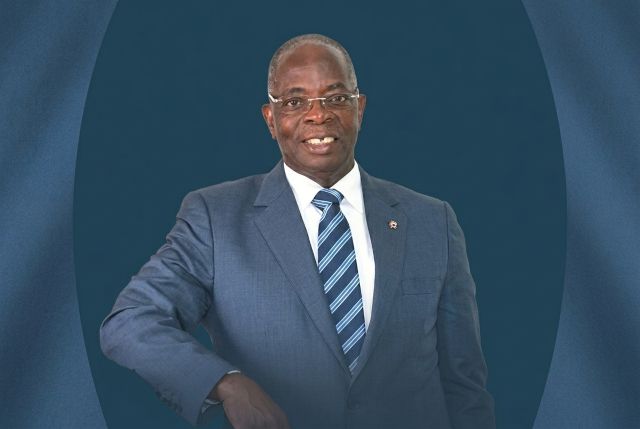
The two countries are negotiating the deployment of six to eight German military experts to Cotonou by late 2027. Rather than combat troops, these specialists will focus on technical mentorship, logistical reinforcement, and institutional capacity-building for Benin’s engineering corps, as confirmed by Defense Minister Gildas Agonkan during technical talks in September 2026. These efforts align with a broader €35 million EU security package awarded to Benin in mid-2024 under the European Peace Facility, and siphoned into regional coastal security projects across Togo, Ghana, and Côte d’Ivoire.
Strategic staff talks pave way for bilateral defense pact
German Ambassador to Benin Stefan Buchwald disclosed in early October 2026 that senior-level joint staff consultations are scheduled for the coming months. These meetings, set to define future operational doctrines, will culminate in the signing of a new bilateral defense accord—details undisclosed but expected to formalize intelligence-sharing protocols, joint training modules, and synchronized deployment logistics. The evolving framework reflects Berlin’s broader ambition to anchor itself within the Gulf of Guinea’s expanding security architecture.
Security vacuum in the north drives urgency
Northern Benin—particularly the Alibori and Atacora departments—has witnessed an uptick in cross-border attacks from armed groups operating across the Sahel. Berlin’s rapid response reflects a shared European concern: preventing jihadist movements from destabilizing coastal West Africa. Enhanced mobility, surveillance integration, and rapid-response logistics form the pillars of this emergent partnership.
Towards a coordinated European defense footprint
Germany’s bilateral efforts are being deliberately meshed with EU-wide initiatives such as the EU Gulf of Guinea Security and Defense Initiative. By coupling technical assistance with multilateral funding, Berlin aims to harmonize security interventions across the sub-region while maximizing operational cohesion. For Cotonou, this diversification reduces dependency on a single partner and accelerates the modernization of Benin’s defense institutions.
What’s next for Berlin-Cotonou defense ties
Unresolved questions center on the exact terms of the pending bilateral pact, funding allocation for upcoming expert missions, and the scope of EU-German joint programming in 2028. What remains clear is that Germany is transitioning from episodic hardware donations to a structured, multi-layered defense partnership—one that blends training, intelligence, logistics, and strategic dialogue. Both capitals stand to gain: Cotonou gains operational resilience; Berlin secures a regional foothold in an increasingly contested security landscape.