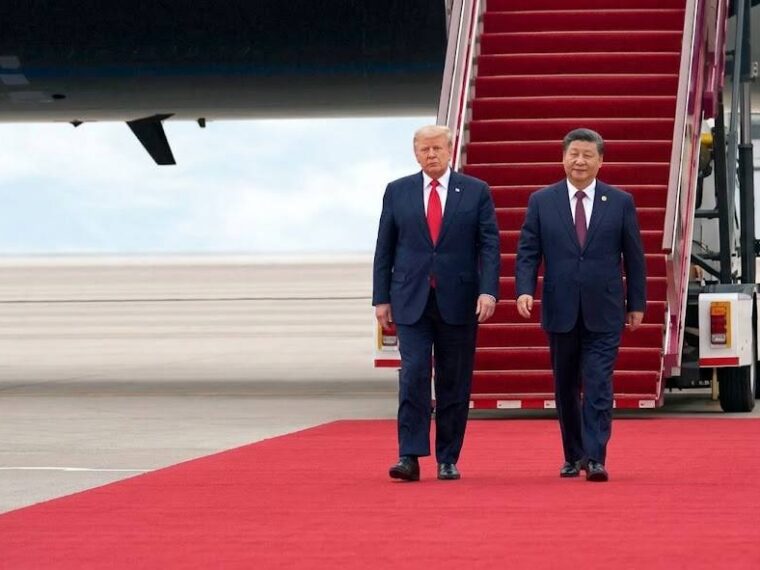
The diplomatic world watched closely as Air Force One touched down in Shenzhen, China, on Wednesday, carrying President Donald Trump. The visit, formally tied to the Asia-Pacific Economic Cooperation (APEC) summit, carries a weighty undercurrent: a first-ever trilateral meeting with Chinese President Xi Jinping and Russian President Vladimir Putin scheduled for November 19, 2026.
This unprecedented gathering of the three most influential global powers has sent ripples through international diplomacy, raising urgent questions about the future of global governance, security, and economic stability.
Three leaders, three strategic visions
Each leader arrives with distinct objectives. For Donald Trump, the meeting offers a platform to reinforce U.S. interests, strengthen ties with Beijing and Moscow, and advance key international security concerns. Xi Jinping sees an opportunity to solidify China’s central role in global affairs by hosting two of the world’s most powerful states. For Vladimir Poutine, participation provides a critical stage to project influence amid ongoing Western sanctions and the unresolved conflict in Ukraine.
Topics at the table: nuclear disarmament, Iran, and Ukraine
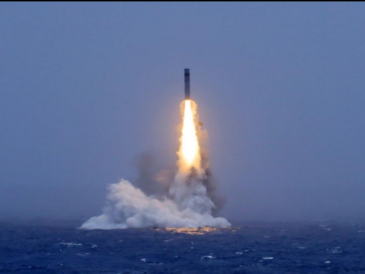
Discussions are expected to center on pressing global issues. Nuclear disarmament tops the agenda, as the three leaders oversee the world’s largest nuclear arsenals. The escalating crisis involving Iran is also likely to dominate exchanges. While Washington pushes for a diplomatic resolution, Moscow and Beijing have divergent stances—with Russia defending its strategic interests and China balancing its alliance with Moscow against global economic objectives.
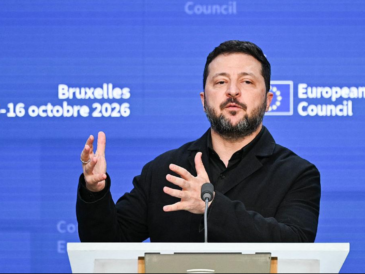
The conflict in Ukraine remains a major point of contention. The U.S. seeks a peaceful resolution, Russia maintains its territorial claims, and China avoids direct alignment but seeks to safeguard its economic footprint in the region.
Technology and trade: the unstated frontiers
Beside geopolitical flashpoints, trade and technology restrictions are slated for review. Export controls on advanced semiconductors, dual-use technologies, and critical minerals are expected to spark debate. Each nation seeks to protect its competitive edge while navigating a deeply interconnected global economy.
Can a new world order emerge?
Some analysts draw parallels to the 1945 Yalta Conference, where Allied leaders reshaped postwar Europe. Yet this comparison is fragile. Today’s global landscape is far more multipolar, with rising powers and shifting alliances complicating any attempt at unilateral influence.
Europe, Ukraine, Asian nations, and emerging economies are watching closely—not as passive observers, but as stakeholders in any potential outcome. The decisions made in Shenzhen will not, in themselves, dictate the future of international law or resolve long-standing conflicts. However, they could signal a turning point in how major powers coordinate—or compete—on the world stage.
Beyond the headlines: what’s really at stake?
The Shenzhen summit arrives during a fragile moment in global relations, marked by trade rivalries, shifting alliances, and escalating tensions. The world awaits beyond photo opportunities and ceremonial statements—will dialogue translate into tangible progress on nuclear safety, regional stability, and economic resilience?
The stakes could not be higher. The decisions made over the next two days in Shenzhen may shape the security and prosperity of billions across the globe.