How a massive ransom payment fueled militant expansion in West Africa
A ransom of approximately $50 million, allegedly paid in late 2025 to secure the release of foreign hostages held by Al-Qaïda-affiliated militants in Mali, has been linked to a surge in extremist activity across the Sahel, according to a confidential United Nations report reviewed by this publication.
The financial trail: While the report dated August 10, 2026, does not name the hostages or the payer, three regional intelligence sources have identified the United Arab Emirates as the entity responsible for transferring the funds. The payment secured the freedom of three individuals—a citizen of the Emirates, a Pakistani national, and an Iranian—all reportedly held captive by Jama’at Nusrat al-Islam wal-Muslimin (JNIM), a coalition operating under the Al-Qaïda banner in the region.
Once received, a significant portion of the ransom was distributed among JNIM’s operational units—known as katibas—spread across the Sahel. The report underscores that these funds played a decisive role in financing the group’s military campaigns, particularly its aggressive expansion within Mali. Additionally, some of the money was reportedly funneled through Al-Qaïda in the Islamic Maghreb to the organization’s central leadership and its Yemeni branch.
From kidnapping to funding: a strategic shift
The JNIM’s strategy of kidnapping foreigners for ransom has evolved beyond mere survival tactics. According to the UN document, the group now views hostage-taking as a dual-purpose operation: it generates substantial revenue while simultaneously undermining public trust in state security institutions. Security analysts note that typical ransom demands for Western or regional foreigners range between $4 million and $6 million. However, the 2025 payout far exceeded these norms, highlighting the group’s growing financial capacity and ambitions.
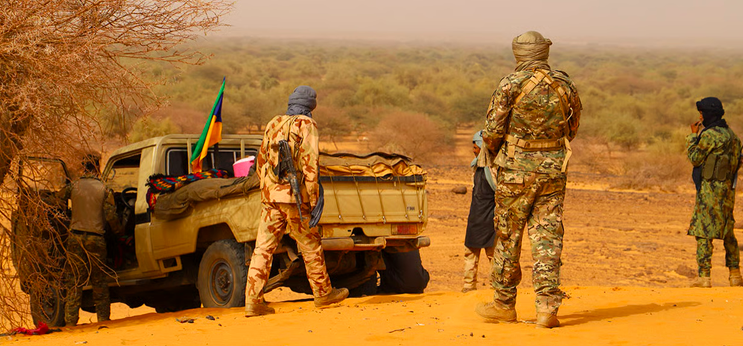
Militant strength and regional impact: As of mid-2026, JNIM commands an estimated 7,000 to 8,000 fighters across the Sahel, with nearly half based in Mali. The group’s influence has intensified dramatically. In April 2026, militants launched a high-profile assault on the Malian capital, resulting in the death of the country’s Defense Minister. Just two months later, JNIM offered multimillion-euro bounties for information leading to the capture of the Malian President, signaling an escalation in both military and psychological warfare.
Analysts warn that the ransom payment has set a dangerous precedent, emboldening extremist factions and accelerating their operational capabilities. The UN report stresses that such financial inflows not only sustain militant activities but also empower splinter groups to expand their influence into neighboring countries, further destabilizing the Sahel region.
International response and unanswered questions
In response to inquiries, a spokesperson for the United Arab Emirates reiterated the country’s commitment to combating terrorism and cutting off funding channels to extremist organizations. However, the official declined to comment specifically on the 2025 transaction, emphasizing ongoing efforts to strengthen regional and international cooperation against terrorism financing.
As the Sahel grapples with rising insecurity, the ramifications of this ransom payment continue to unfold. Security experts stress the urgent need for coordinated international action to disrupt financial networks supporting militant groups and to prevent further ransom-driven funding of extremist activities.