The deep roots and modern impact of the US-Morocco alliance, from historical ties to Ceuta’s crisis
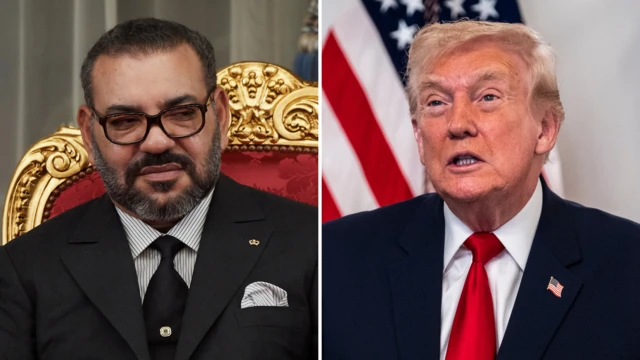
Photo: Getty Images
From a two-century-old friendship treaty to a 1,000-kilometer highway bearing Donald Trump’s name across the Sahara, the bond between the United States and Morocco has always stood apart.
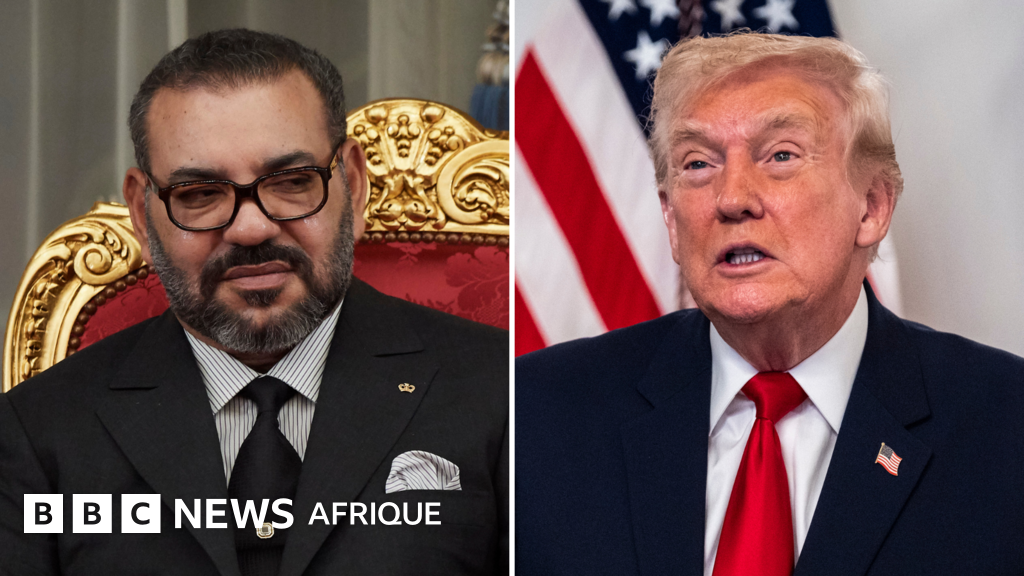
King Mohammed VI recently renamed a vast desert road in honor of the former US president—a gesture of gratitude for Washington’s long-standing support of Rabat’s claim to the disputed Western Sahara territory.
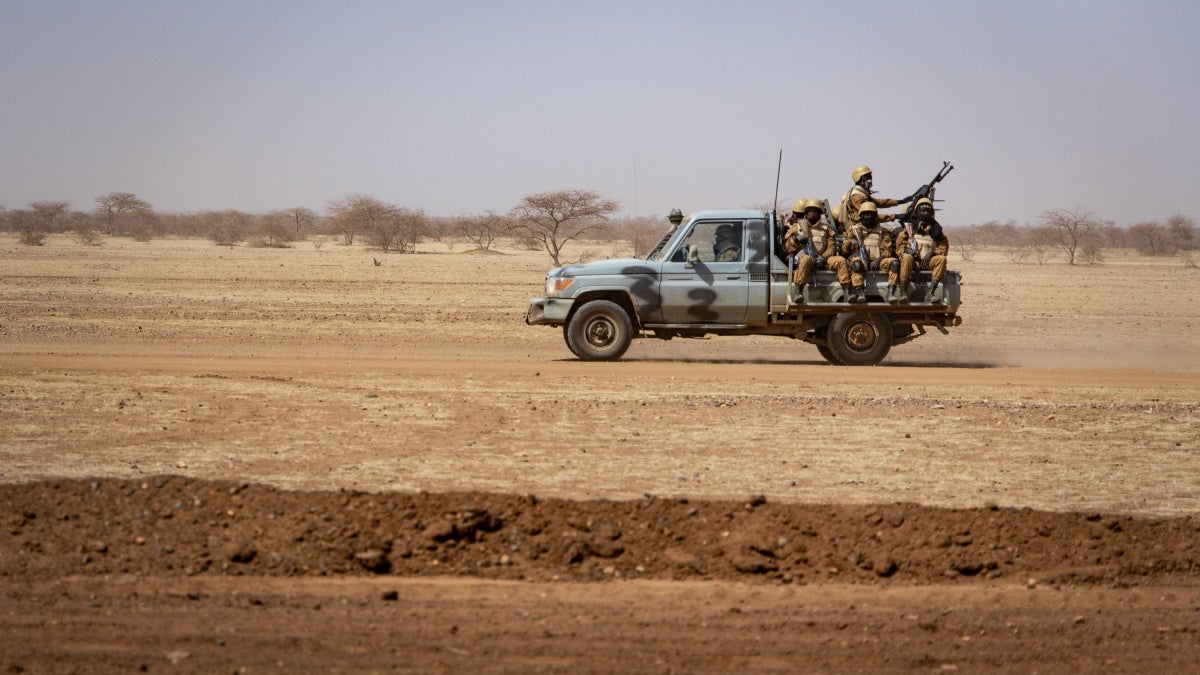
This move came just days after over 70,000 people surged from Morocco into the Spanish enclave of Ceuta, leaving at least 140 dead on both sides of the border and sparking a major migration emergency.
Washington’s response to the crisis underscored the strength of its ties with the North African kingdom.
Trump labeled the events a “disaster” akin to a “country invasion,” while the US State Department criticized Spain’s immigration policies under Pedro Sánchez. The White House condemned what it called “far-left globalist policies,” but never questioned Morocco—even as the human wave originated there.
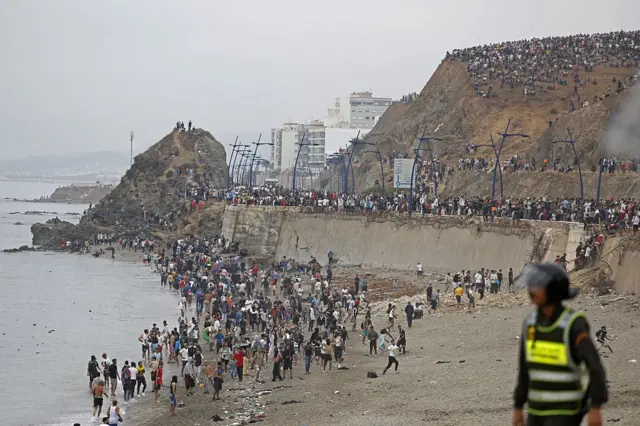
Photo: Getty Images
While most observers anticipated this stance, it unsettled Spain—a NATO member hosting American forces at Rota and Morón bases.
Though not a NATO ally, Morocco ranks among Washington’s top military and intelligence partners in the region. Here’s how decades of deepening ties between North Africa and the US shape current events.
A historical bond
The US-Morocco relationship began long before both nations reached their modern forms.
In 1777, just one year after declaring independence from Britain, the new American republic gained access to Moroccan ports under Sultan Mohammed III. Rabat still cites this act as the first international recognition of the United States.
The Treaty of Peace and Friendship, signed in Marrakech in 1786, formalized the alliance and protected American vessels from North African corsairs. It also opened commercial doors and bolstered US legitimacy on the world stage.
“Morocco’s strategic position at the Mediterranean crossroads and its ties to Europe, Africa, and the Islamic world gave the US a gateway to global recognition and commerce,” explains Timothy W. Kneeland, professor of history and political science at Nazareth University (New York).
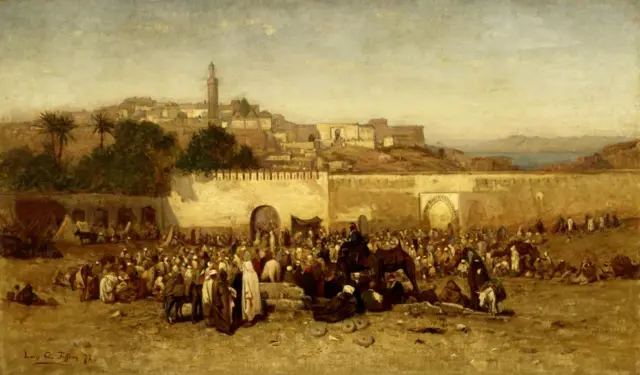
Photo: Getty Images
Renewed in 1836, the treaty remains the oldest unbroken agreement in US diplomatic history.
“Moroccans will proudly remind you that the 1786 treaty is the longest continuously active accord in US history,” notes Sarah Yerkes, associate fellow at the Carnegie Endowment for International Peace and expert in US foreign policy across North Africa and the Middle East.
After Morocco’s 1912 partition into French and Spanish protectorates, the US delayed recognition until 1917. Upon independence in 1956, Washington swiftly recognized the new state and opened its embassy in Rabat within months.
Security, trade, and the Sahara

Photo: Getty Images
Security cooperation predates Morocco’s independence. In 1950, while under French rule, the US secured agreements to develop air bases in the country.
After the 1975 Green March—when Morocco mobilized 350,000 civilians to pressure Spain into ceding Western Sahara—the US privately endorsed Rabat’s position despite public calls for negotiation.
“Henry Kissinger told Hassan II in 1974 that, if he were in the king’s shoes, he would do the same,” recalls Kneeland. “By early 1976, the US admitted it had placed ‘no major obstacles’ in Morocco’s path.”
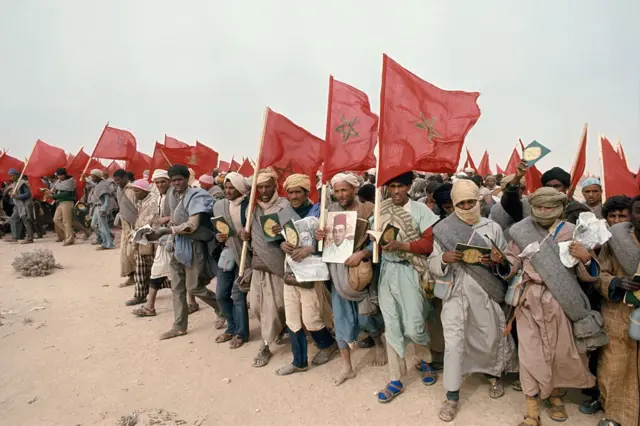
Photo: Getty Images
Security ties deepened after the 9/11 attacks. In 2004, the US designated Morocco a Major Non-NATO Ally, granting privileged access to defense technology and training.
Morocco hosts African Lion, the US Africa Command’s largest annual exercise, and co-leads an international counter-ISIS coalition working group for Africa.
Between 2021 and 2025, the US supplied 60% of Morocco’s major arms imports, far outpacing Israel (24%) and France (10%), according to SIPRI data.
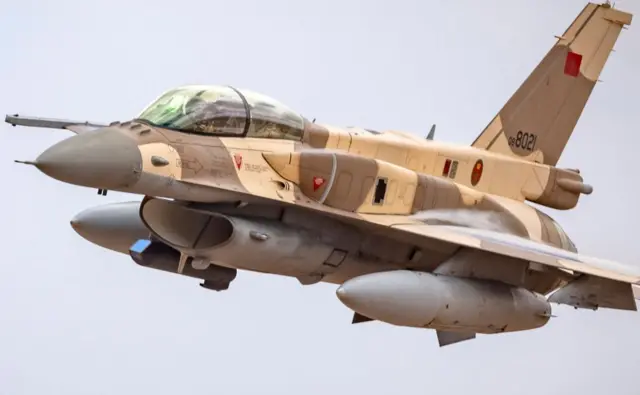
Photo: Getty Images
The 2006 US-Morocco Free Trade Agreement—the first such accord with an African nation—eliminated most trade barriers. By 2025, two-way trade hit $7.4 billion, nearly eight times the $927 million recorded in 2005, with the US running a significant surplus.
Diplomatically, Morocco achieved its biggest win in 2020 when the Trump administration recognized Rabat’s sovereignty over Western Sahara as part of the Abraham Accords normalization with Israel. Washington still upholds this position, backing Morocco’s autonomy plan as the only viable solution.
The USA-Morocco-Spain triangle
The Ceuta crisis has strained the US-Morocco-Spain triangle, spotlighting Washington’s unwavering support for Rabat amid fraying ties between Madrid and its two partners.
Spain, a key US NATO ally, relies on Morocco to manage its North African frontier. Yet both alliances face unprecedented pressure.
While Madrid blamed human traffickers and social media for the Ceuta surge, Spanish experts, politicians, and media accused Morocco of orchestrating—or at least enabling—the event.
Trump’s administration, meanwhile, criticized Spain for blocking NATO spending ceilings and vetoing the use of Rota and Morón bases for strikes on Iran. These tensions surfaced during the crisis.
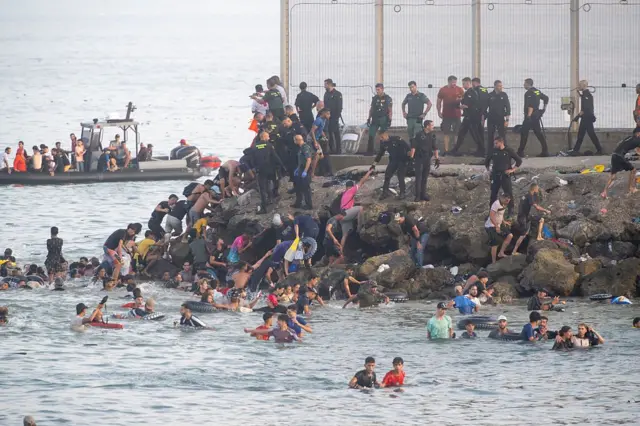
Photo: Getty Images
Despite not endorsing Morocco’s narrative, the US did not demand answers from Rabat nor echo accusations of deliberate border laxity. Instead, Trump framed the crisis as a consequence of Spanish immigration policies, directly challenging Sánchez’s government.
“Washington does not see Ceuta as a Moroccan-led initiative. The White House was far more critical of Spain’s border mismanagement as the root of the crisis,” interprets Yerkes.
This stance reaffirms the US-Morocco alliance’s resilience, even as tensions with Spain—another NATO ally—intensify.
Experts suggest Morocco could become a valuable US partner for logistics and security, especially after Spain restricted access to its bases and airspace for potential strikes on Iran. In a message to King Mohammed VI marking the Moroccan throne festival, Trump underscored the alliance’s direction.
“This year we celebrate 250 years of American history and enduring friendship with Morocco—a bond built on trust and mutual respect,” he stated.
After affirming Western Sahara as Moroccan territory, Trump expressed hope that cooperation across all sectors would continue “for the next 250 years.”