Ivory Coast says no to US request to host third-country deportees
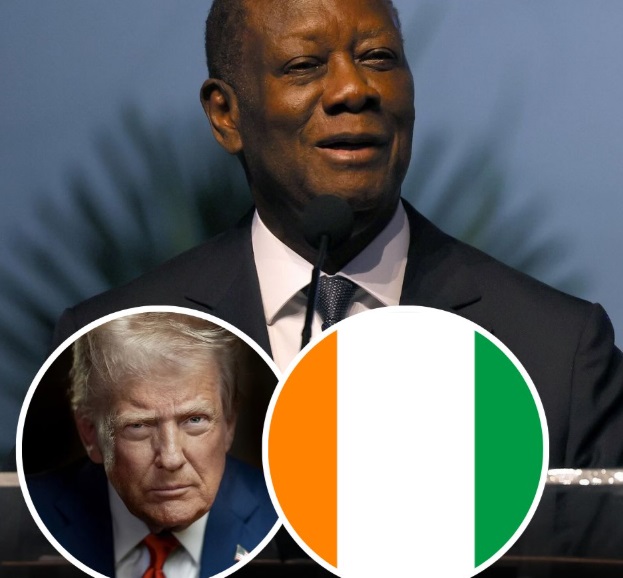
Ivory Coast has turned down a US proposal to accept individuals deported from the United States who are not necessarily Ivorian nationals. The refusal, revealed in a Washington Post investigation published on 21 September 2026, comes amid a surge in deportations to third countries under the Trump administration.
In mid-June 2026, a US State Department official travelled to Abidjan as part of a diplomatic tour across West and Central Africa.
Christian Ehrhardt, who heads the State Department’s Office of Remigration, sought to persuade several African governments to take in people expelled from the United States even though they are not citizens of those countries.
According to the Washington Post investigation, the talks in Abidjan did not succeed. The Ivorian authorities declined the US proposal.
A new US policy of deportations to third countries
The approach is part of a broader push by Donald Trump’s administration to expand deportations to third countries.
The principle is relatively unprecedented: a person can be deported from the United States to a country of which they are not a national and with which they may have no prior connection.
According to internal State Department data reviewed by the Washington Post, by the end of June 2026 the US administration had authorised or pledged at least $410 million to facilitate agreements with 31 countries, mainly in Africa and Latin America.
Since 2025, more than 25,000 people are said to have been deported to at least 28 third countries, based on an analysis conducted for the Washington Post investigation using multiple independent sources.
Some countries have accepted foreign nationals in exchange for funding or other forms of aid. The Washington Post reports direct financial commitments to several governments.
Abidjan rejects the arrangement
It is against this backdrop that Christian Ehrhardt’s mission to Ivory Coast takes on particular significance.
The US official, who leads a team of about fifteen people at the State Department, was tasked with negotiating with foreign governments to accept people deported from the United States.
But in Abidjan, the US proposal reportedly failed to secure an agreement.
Ivory Coast does not appear, in the US data made public for June 2026, among the countries that have concluded such an operational agreement.
A decision in a sensitive context
The issue of deportations to third countries is highly controversial.
The US administration presents the policy as a way to return individuals subject to removal orders when their country of origin refuses or is unable to take them back.
However, human rights organisations and lawyers for deported individuals dispute certain aspects of the system, particularly the guarantees offered to those concerned before their transfer to a third country.
The Washington Post also reports that a US federal appeals court ruled in September 2026 that the policy was illegal in a case concerning the lack of sufficient safeguards for the individuals involved. The Trump administration was expected to appeal to the Supreme Court.