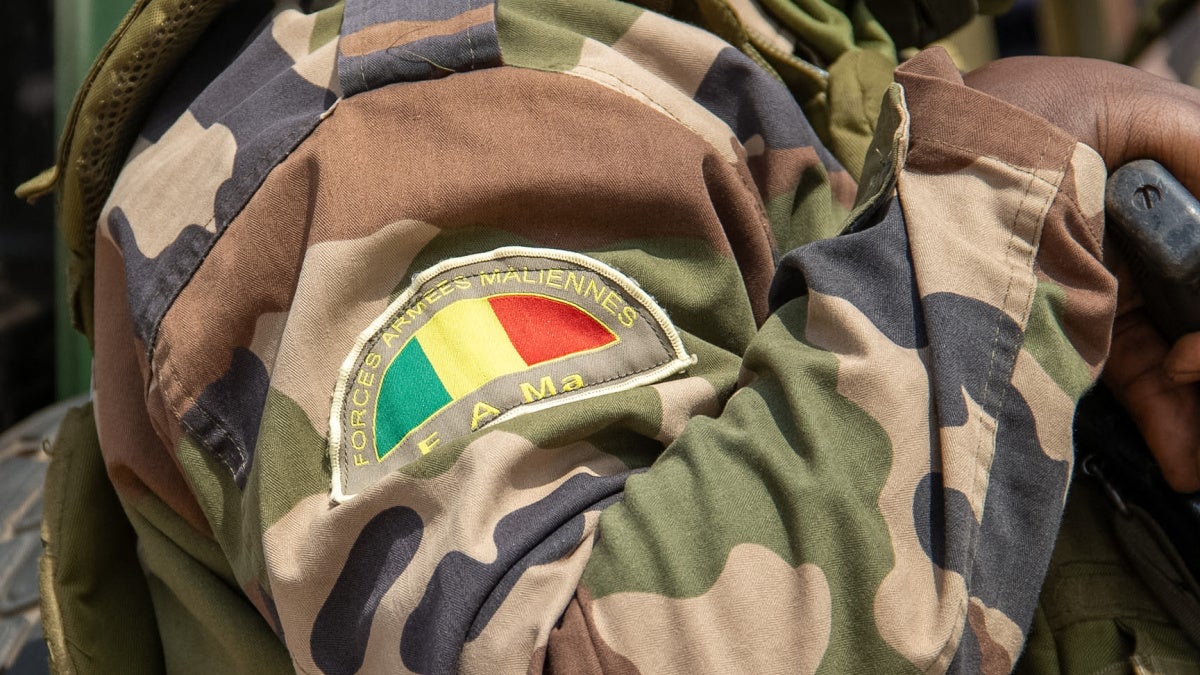
At least 31 civilians lost their lives and numerous homes were torched during coordinated attacks on two villages in Mali’s Ségou region between October 2 and 13. The incidents, involving Malian troops and allied militias, unfolded in areas under the influence of the Group for the Support of Islam and Muslims (GSIM), an Al-Qaeda-affiliated faction.
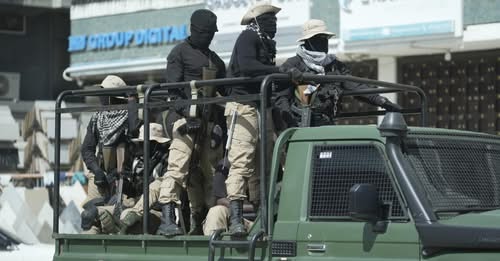
On October 2, soldiers accompanied by dozos—traditional hunters mainly from the Bambara ethnic group who have supported counterinsurgency efforts for a decade—stormed the village of Kamona. Witnesses reported that the attackers, arriving in seven pickup trucks and three armored vehicles plus motorcycles, rounded up and executed at least 21 men. Homes belonging to Fulani residents were set ablaze, displacing families and leaving 17 bodies strewn under a tree. Survivors described scenes of brutality, including shattered skulls and spent bullet casings scattered across the site. Local leaders later buried the victims in a mass grave, while additional bodies were found further north.
Villagers stated that the GSIM had warned residents of the approaching military, prompting many to flee. However, those who remained were systematically targeted. “Those who couldn’t escape were gathered and shot,” shared a survivor who hid with his 9-year-old daughter in an abandoned home. The attackers left around 4 PM, leaving behind a trail of destruction.
On October 13, a similar operation unfolded in Balle, 55 kilometers away. Soldiers in five pickup trucks and at least 30 dozos on motorcycles descended on the village, triggering panic. A 24-year-old man recounted how soldiers went door-to-door, assaulting men before opening fire. Ten civilians, including a 55-year-old woman, were killed, and over 100 cattle were stolen. Bodies lay in the village center, some with broken limbs. The woman’s daughter witnessed her mother confront the soldiers, only to be executed alongside the others.
Military officials claimed the October 13 operation was an “offensive reconnaissance” mission that “neutralized around twenty terrorists” and seized military equipment. Yet locals insist Balle has been under GSIM control for years, with residents paying Islamic taxes and settling disputes through the group. “We have no soldiers, gendarmes, or police here,” explained a man. “The army doesn’t distinguish between us and them.”
These attacks follow a surge in GSIM activity, including a recent assault on a sugar factory in Siribala. Witnesses believe the violence is retaliation for the group’s expanding influence near Bamako, where fuel shortages have crippled the capital since early September. The junta’s subsequent closure of schools and universities has deepened the crisis.
Under international humanitarian law, all parties must protect civilians. Attacks targeting non-combatants, executions, and torture constitute war crimes. Despite Mali’s withdrawal from the International Criminal Court (ICC) in September, the country remains bound by the Rome Statute until 2026, with the ICC already investigating alleged war crimes since 2012.
Calls for accountability have grown louder. “The African Union’s Peace and Security Council must prioritize Mali,” stressed a regional expert. “Regular briefings, strengthened diplomacy, and coordinated regional efforts are critical to addressing abuses by all factions.”
Key takeaways
- Malian troops and dozos killed at least 31 civilians in two villages in Ségou.
- Victims included men, women, and children, many executed execution-style.
- GSIM’s recent attacks near Bamako may have triggered the military’s brutal response.
- International law demands investigations and prosecutions for war crimes.