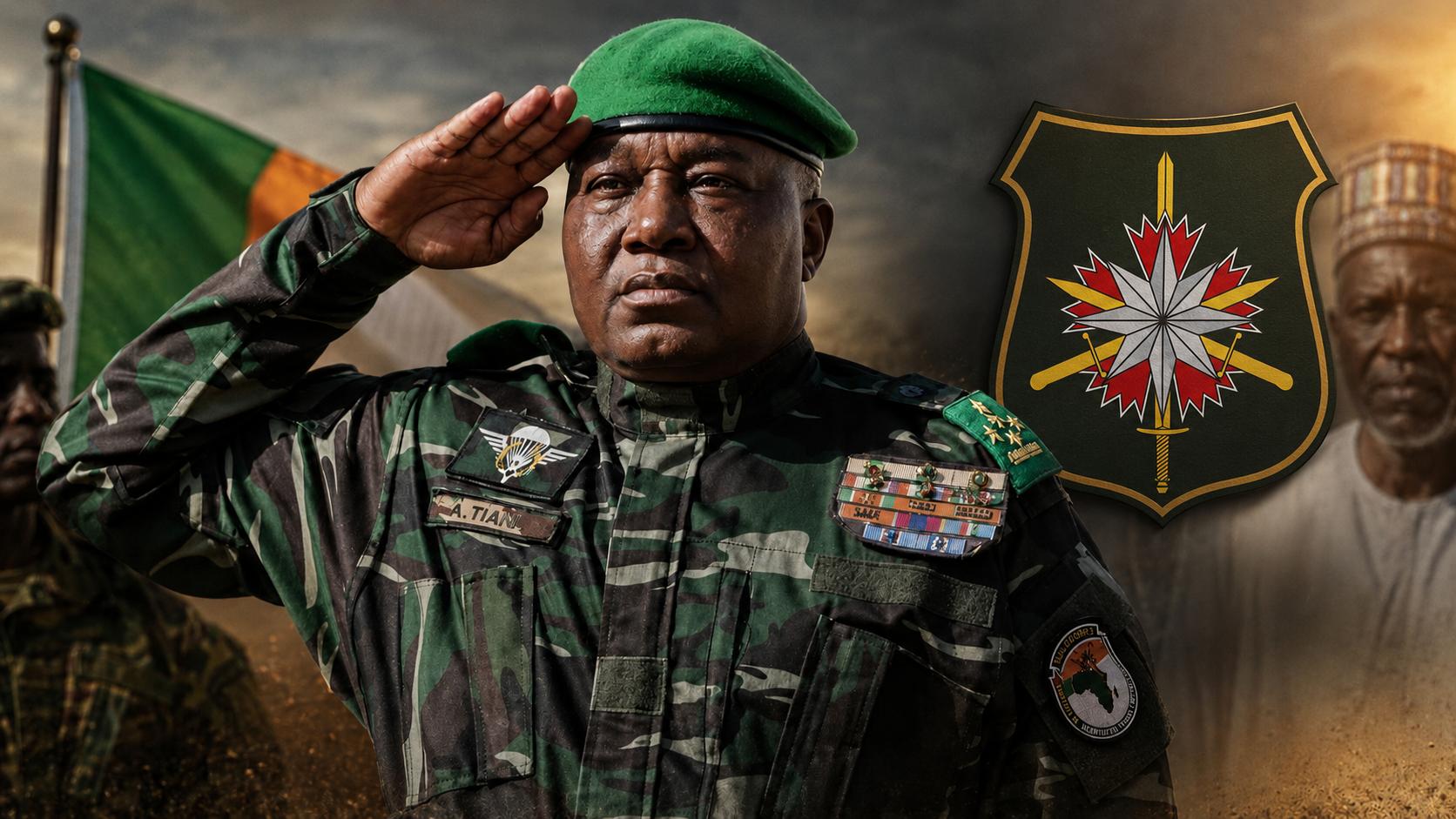
The events of August 29, 2026, at Niamey’s Air Base 101 transcended the usual threats posed by jihadist groups. When confronted with a mutiny primarily involving Special Forces – ironically, a key component in the anti-jihadist efforts within the tri-border region – the central military authority faced the stark revelation of deep internal divisions. Field losses, grievances concerning the chain of command, and operational burnout are all indicators that the junta’s core defensive structure is fracturing from within, a critical development in Niger politics today.
The role of Africa Corps: a praetorian guard, not a national shield
The intervention of Africa Corps (formerly known as Wagner) to quell the mutiny at Air Base 101 signals a significant strategic shift. These foreign forces are no longer merely providing tactical support or training against terrorist insurgencies; their role has evolved into the ultimate safeguard for the Niamey regime’s survival against its own military personnel. This dynamic fosters an explicit reliance, transforming the foreign contingent of instructors and combatants into the primary pillar of palace security, thereby diminishing the comprehensive protection of the national territory to a secondary concern in Niger current affairs.
The security paradox: hyper-protection of power versus citizen vulnerability
A striking disparity is evident between the robust concentration of elite resources and the daily realities faced by the people of Niger. This is a crucial aspect of Niamey news and Niger latest news:
- A hyper-militarized political core: Armored vehicles and Africa Corps units can swiftly deploy to secure the airport, fortify the presidency, or execute intra-military responses within the capital. This intense focus is squarely on maintaining control of power.
- Vulnerable outskirts: The September 2 attack in Koubia, right on Niamey’s doorstep, highlights the capital’s permeable security perimeter. Repeated assaults on checkpoints, including Koubia, Karey Gorou, and even the airport, underscore that the foreign Russian presence has failed to deter armed group infiltrations or their audacity.
- A sense of civilian neglect: While official statements champion regained sovereignty and new alliances, the civilian populace endures insecurity right outside the city, faces frequent road closures, and experiences a persistent deterioration of the security climate in the Tillabéri region.
Ultimately, the deployment of Africa Corps primarily serves the imperative of regime protection. This deepens the Nigerien paradox: as the central authority strengthens itself with foreign troops to preempt coups and mutinies, the actual security coverage for the populace paradoxically diminishes and becomes more precarious.