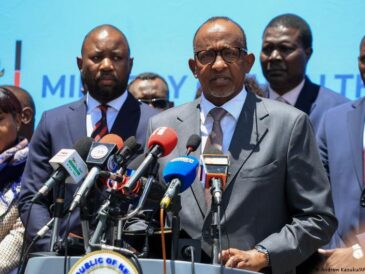

The dangerous fallout of strained Niger-Chad ties on local businesses and cross-border trade
Tensions between Niger and Chad are escalating, forcing both nations into a diplomatic standstill that extends far beyond political rhetoric. The deteriorating relationship between Niger’s transitional leader, General Abdourahamane Tiani, and Chad’s interim president, Mahamat Idriss Déby Itno, is now spilling into critical sectors—threatening regional trade, energy supplies, and the livelihoods of thousands of families on both sides of the border. As mediators struggle to bridge the divide, the consequences are becoming impossible to ignore.
Border closures and shattered supply chains
One of the most immediate impacts is playing out along the 1,200-kilometer border shared by Niger and Chad. Truck convoys that once transported food, fuel, and manufactured goods between Niamey and N’Djamena are now stuck at checkpoints for days—or turned away entirely. Local merchants report losses running into millions of naira and CFA francs as perishable goods rot and contracts collapse under the weight of new bureaucratic barriers.
- Agadez’s traders feel the squeeze: A once-thriving hub for salt and livestock exports now faces plummeting demand from Chadian buyers, with at least 300 trucks stranded since the restrictions began.
- N’Djamena’s fuel crisis deepens: Chad’s oil-dependent economy is struggling to maintain its usual supply routes, pushing prices to record highs in major cities and leaving hospitals and schools scrambling.
- Food shortages loom: Niger, already grappling with food insecurity, now risks further disruptions to grain imports from Chad, its third-largest supplier.
Energy and security: a high-stakes domino effect
The diplomatic freeze is also disrupting joint energy initiatives that have long been cornerstones of regional cooperation. The West African Pipeline Company (WAPCo), which manages the 1,000-kilometer pipeline supplying Nigerian gas to Benin, Togo, Ghana, and beyond, has warned of potential delays at key transit points in northern Niger. Meanwhile, Chad’s oil exports—critical to funding both nations’ budgets—are facing delays as shipping routes become unpredictable.
Security cooperation is another casualty. Intelligence-sharing between Niger and Chad’s military forces has significantly tapered off, creating gaps that extremist groups are beginning to exploit. Reports indicate a 20% spike in armed incursions along the shared desert border since June, a trend local analysts tie directly to reduced military coordination.
Economic strain: double trouble for Sahel’s fragile recovery
The economic toll is mounting in both capitals. Niger’s transitional government, still recovering from a 2023 coup, now faces a projected 3.2% contraction in GDP growth for 2024 due to reduced trade. Chad, meanwhile, is staring down a budget deficit of nearly $200 million as oil revenues dwindle and foreign investment confidence wanes.
Small business owners are among the hardest hit. A Niamey-based textile manufacturer, who requested anonymity, shared that his factory has laid off 15% of its workforce after Chadian clients canceled orders worth $1.2 million. “We built this business on regional trade,” he said. “Now, we’re hemorrhaging.”
Can diplomacy still salvage the partnership?
Despite the grim outlook, pockets of negotiation remain. The Economic Community of West African States (ECOWAS) has stepped in to mediate, though success hinges on whether Tiani and Déby Itno can overcome deeply rooted mistrust. Economic incentives—such as tariff reductions and joint infrastructure projects—are on the table, but progress has been glacial.
For now, the people of Niger and Chad bear the brunt. Families divided by the border wait for reunification. Farmers watch as their harvests sit unsold. And investors eye the region with growing skepticism. Without a rapid resolution, the diplomatic rupture threatens to leave a permanent scar on the Sahel’s already fragile stability.