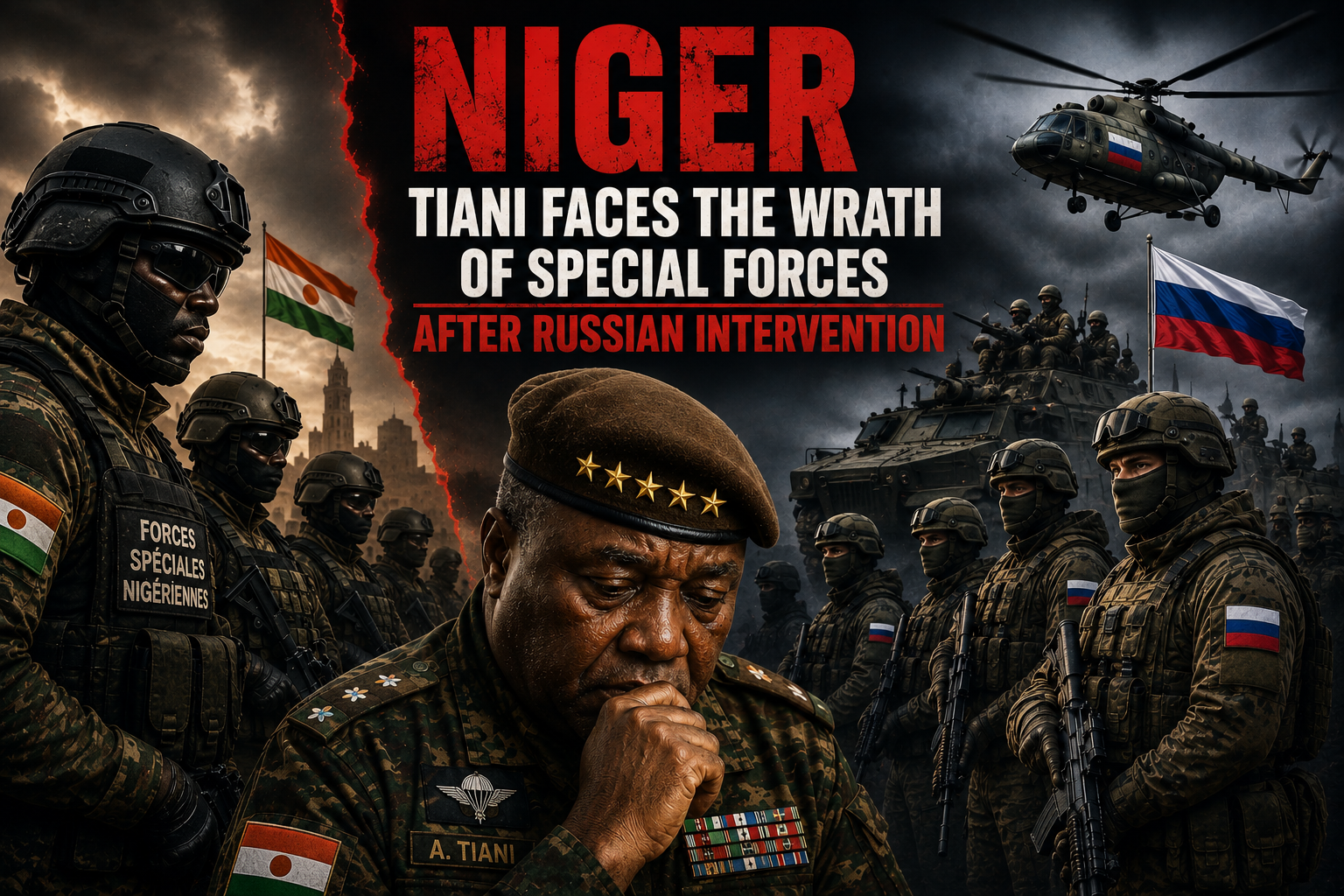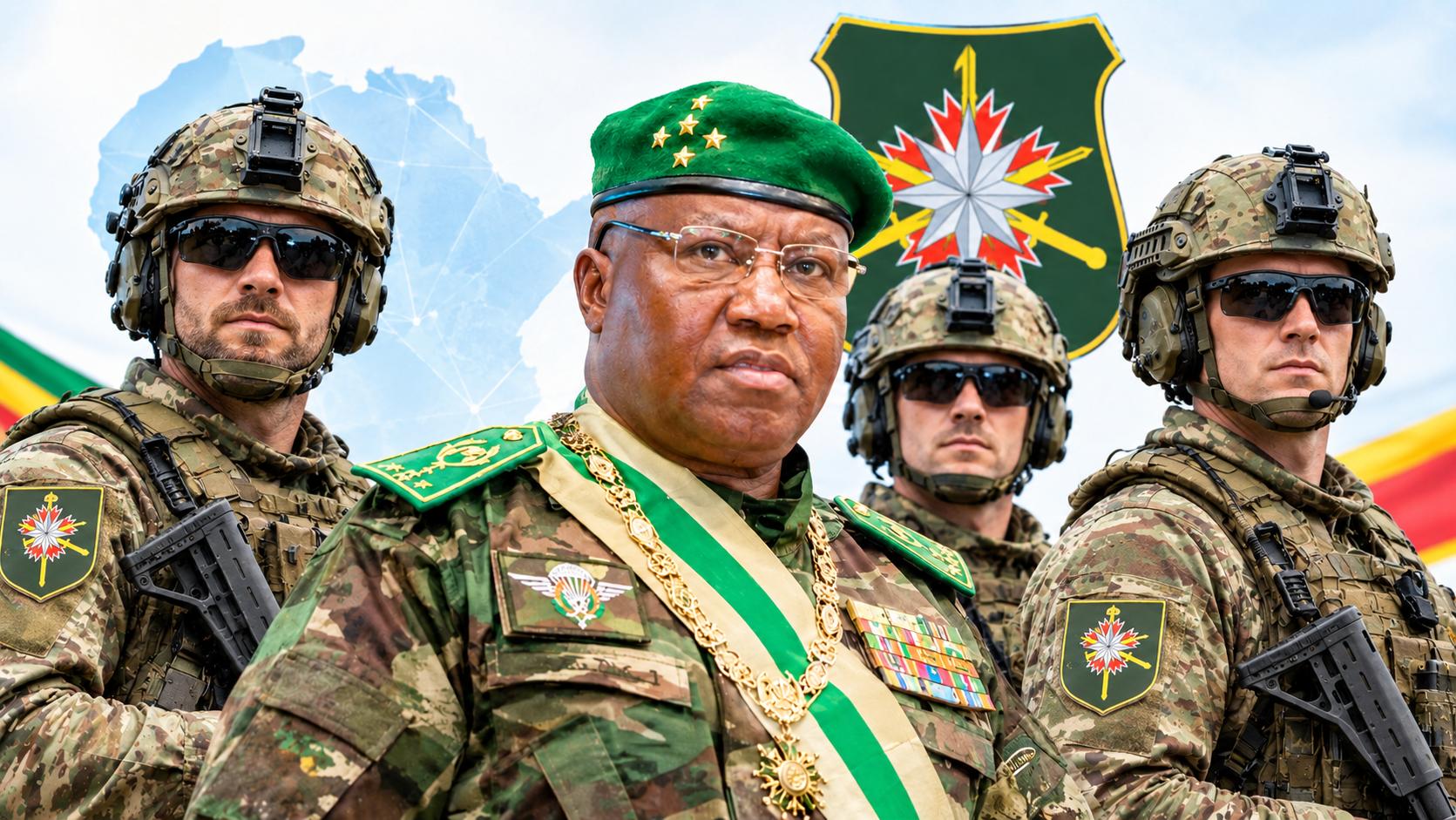
In the wake of the deadly mutiny at the Niamey 101 base on 28 August, the junta’s state apparatus launched a well-rehearsed media counter-offensive. By dismissing a fratricidal clash as a mere “fit of pique” and reviving the theory of an international plot, the official discourse aims above all to conceal the crisis of confidence gripping the military command.
A cosmetic “mood swing” to hide substantial losses
The first pillar of the official communication strategy is to downplay the severity of events, labelling them an isolated “mood swing” orchestrated by a handful of “lost soldiers.” This semantic characterisation is pure political window-dressing.
How can one claim this was a minor incident when it required the combined intervention of the Presidential Guard and Africa Corps mercenaries, using heavy weapons in the heart of the 101 base, to subdue the protesters? Calling 43 soldiers killed in combat—many of them belonging to the special forces and elite units of the BSR/COS—”misguided” amounts to ignoring the reality of a deep-seated malaise: troops exhausted by relentless deployments and exasperated by the handling of the security crisis.
Scapegoating within the military elite
By naming Commander MaiHatchi and Captains Kader, Nassirou Issa, and Abdoul Fatah, the authorities seek to personalise the crisis to avoid acknowledging a structural rupture.
Presenting these battle-hardened officers as mere “manipulated” pawns sidesteps the real grievances on the ground: lack of resources, operational fatigue, and opposition to the presence of foreign mercenary forces within the national framework. The incrimination of these senior figures from the Special Operations Command actually demonstrates that the fracture now reaches the very heart of Niger’s security apparatus.
The theatrics of loyalty and the staging of Captain Gabriel
The state narrative leans heavily on the scripted appearance of Captain Roger Gabriel on RTN. Portrayed as the model of an alert and incorruptible soldier who “intelligently rebuffed” calls to sedition, his testimony serves as a moral endorsement.
However, this staging raises more questions than it answers. In a tense military regime, the public words of a junior officer are strictly filtered and directed. Turning a faltering chain of command into a demonstration of absolute loyalty is an exercise in self-persuasion, aimed more at reassuring the Niamey garrison than at establishing the truth of the events.
The convenient return of the ECOWAS, France, and neighbours plot
To complete the deception, the editorial revives the CNSP’s most effective rhetorical lever: the theory of an external conspiracy. The list of alleged culprits is almost exhaustive: Chad, the family of ousted President Mohamed Bazoum, Benin, Côte d’Ivoire, ECOWAS, and French special forces.
This barrage of accusations borders on strategic absurdity. Claiming that a joint Franco-Chadian-Beninese military intervention was being prepared following two phone calls ignores an obvious geopolitical reality: none of these actors has deployed logistical or tactical means commensurate with such an operation. The systematic invocation of the neocolonial threat serves as a convenient shield to deflect the regime’s own security failures.
Instrumentalising sovereignty in the face of security failure
Finally, by asserting that “the will to defend the institutions remains intact,” the official discourse attempts to close the debate under the guise of patriotism.
This stance becomes increasingly untenable as the situation on the ground contradicts official dogma. On the very day the authorities celebrated the neutralisation of the mutineers and accused foreign chanceries, JNIM fighters struck at Komba, just ten kilometres from Niamey, and sowed terror in Tillabéri. By preferring to dedicate its best units and Russian allies to protecting the presidential palace rather than securing the borders, the junta demonstrates that its absolute priority is the survival of the regime, well before the defence of the national territory.