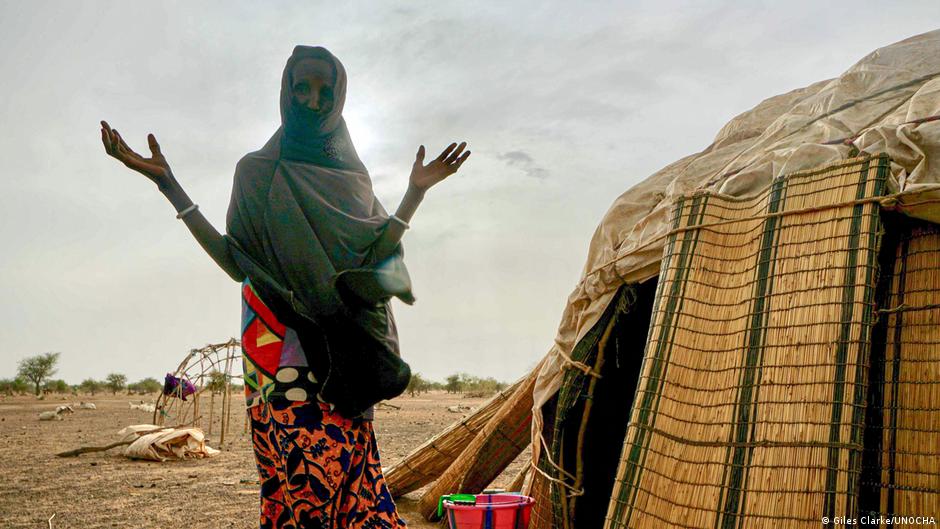
Northern Mali grapples with worsening hunger amid escalating crises
The Sahel region is witnessing a severe humanitarian emergency, with one in five residents experiencing acute food shortages by 2025. This alarming trend—now persisting for a decade and a half—has reached catastrophic levels, particularly in conflict-affected zones where access to basic necessities has become nearly impossible.
Root causes of the Sahel’s deepening food crisis
The escalation of violence has triggered massive internal displacements, with northern Mali bearing the brunt of the exodus. Communities fleeing conflict have gravitated toward safer southern regions like Bamako and Sikasso, straining local resources. This mass migration has compounded the already dire food insecurity situation, pushing more families into vulnerability.
Climate change has emerged as another critical driver of this crisis. Erratic rainfall patterns, prolonged droughts, and soil degradation have devastated agricultural productivity across the Sahel. These environmental shifts disproportionately affect vulnerable populations, particularly children and women, who face heightened risks of malnutrition.
Financial constraints further exacerbate the emergency. Dwindling international aid and shrinking development budgets have left humanitarian organizations struggling to meet escalating needs. With only 21% of the required $3.7 billion allocated to address regional food insecurity, the gap between needs and resources continues to widen.
Urgent call for coordinated action in Mali
Fanta Touré Diop, regional representative for Action Against Hunger in West and Central Africa, underscores the urgency of a unified response. In a recent interview, she highlighted the critical need for political leadership and collaborative efforts among governments, international organizations, and local civil society to mitigate the crisis in northern Mali.
The situation demands immediate attention, as 24.3 million people in the Sahel now require urgent food assistance and protection. The most vulnerable—11.3 million women and children—are at risk of severe malnutrition, a silent killer in this unfolding tragedy.
Government responsibility in building resilience
While humanitarian aid provides temporary relief, long-term solutions hinge on robust government interventions. Strengthening agricultural resilience, improving access to markets, and investing in climate-smart farming techniques are essential steps. Data-driven policies and transparent resource allocation will be key to ensuring sustainable progress.
Touré Diop emphasized that political will must serve as the foundation for these strategies. Without decisive action, the cycle of food insecurity will persist, leaving generations trapped in poverty and hunger.
Regional cooperation critical to survival
The interconnected nature of the Sahel’s crisis necessitates regional cooperation. Cross-border initiatives to combat climate change, stabilize conflict zones, and mobilize resources can create a collective safety net for affected populations. Shared responsibility among Sahelian nations could unlock critical funding and expertise, turning the tide against this growing catastrophe.
The time for action is now. The Sahel’s future depends on whether leaders and communities can unite to confront this existential threat before it claims more lives.
