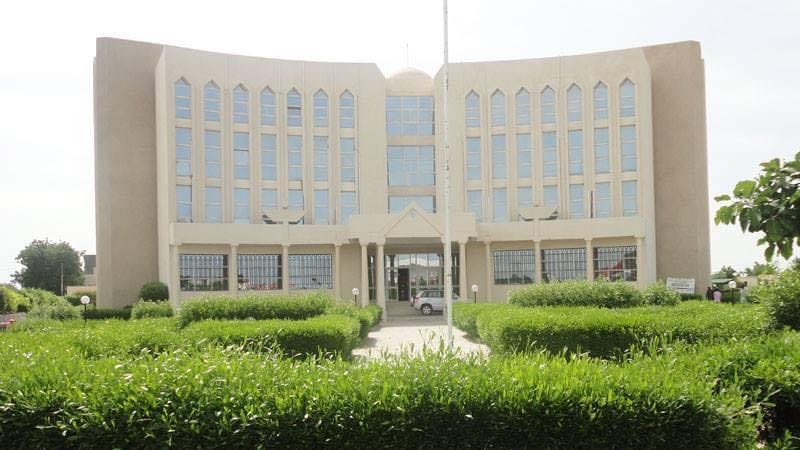
The High Court of Dakar has ruled in favor of Immoland SARL in a high-stakes property dispute against Mali’s embassy, following a judicial process that began over a 1,157-square-meter plot in the upscale Fann neighborhood.
The legal battle over a disputed Fann property
A private Senegalese property developer, Immoland SARL, has secured a court order requiring the immediate evacuation of Mali’s diplomatic mission from a contested parcel of land in Dakar’s Fann Résidence district. The ruling, based on land title number 9.255, asserts that the embassy’s occupation of the site lacks any legal foundation and violates the developer’s recognized property rights.
What the court ruled: no legal basis for embassy’s presence
The presiding judge, in a written decision widely reported by local media, determined that the Mali embassy occupies the disputed land « without right or valid title », effectively endorsing Immoland SARL’s claim to exclusive ownership. The ruling is not yet final and may be subject to appeal, but it marks a decisive judicial intervention in a long-running dispute over land tenure in one of Dakar’s most coveted residential zones.
Scope of the expulsion order
The judicial decision goes beyond evicting the embassy itself. It mandates the removal of all property and individuals under the embassy’s authority from the 1,157 m² parcel. This includes diplomatic staff, dependents, and associated assets, underscoring the comprehensive nature of the court’s ruling.
Timeline of events
Legal timelines remain unclear. Reports indicate that Immoland SARL initiated proceedings several months prior, citing repeated refusals by the embassy to vacate the site despite repeated demands. No official response from the embassy has been recorded in the public domain.
Diplomatic immunity vs. private property rights
While embassies are protected under international law—particularly the Vienna Convention on Diplomatic Relations (1961)—such protections do not extend to ownership. The court ruled that the embassy was not immune from legal proceedings concerning property rights, as diplomatic immunity pertains to the inviolability of mission premises, not to the private ownership of land.
This nuance is critical: the ruling concerns the validity of the embassy’s occupation, not the functioning of the embassy itself as a diplomatic mission. The court emphasized that the developer’s property title legally prevails over any prior occupancy by a foreign state representation.
Unanswered questions and next steps
The judicial order has raised several unresolved issues:
- Has the embassy filed a formal appeal against the decision?
- What enforcement mechanisms will be used to execute the eviction?
- Will Mali seek diplomatic intervention through bilateral channels?
- Has the Senegalese Ministry of Foreign Affairs been formally notified?
At present, no public statement has been issued by either the Malian embassy or Senegalese authorities regarding enforcement timelines or potential mediation.
Why this dispute matters beyond the courtroom
With land conflicts escalating across Senegal’s urban centers due to rapid development and unclear historical land records, this case sets a precedent for how such disputes involving diplomatic missions are adjudicated. It highlights the tension between private property rights, urbanization pressures, and the legal treatment of foreign state assets on national soil. Observers in both Dakar and Bamako are monitoring the situation, aware that its resolution could influence future cases involving embassies, consulates, and private developers.
The court’s decision to side with Immoland SARL signals a clear judicial prioritization of property rights over diplomatic occupation, even when that occupation spans years. The next chapter—whether through appeal, negotiation, or enforcement—will be closely watched in both capitals.