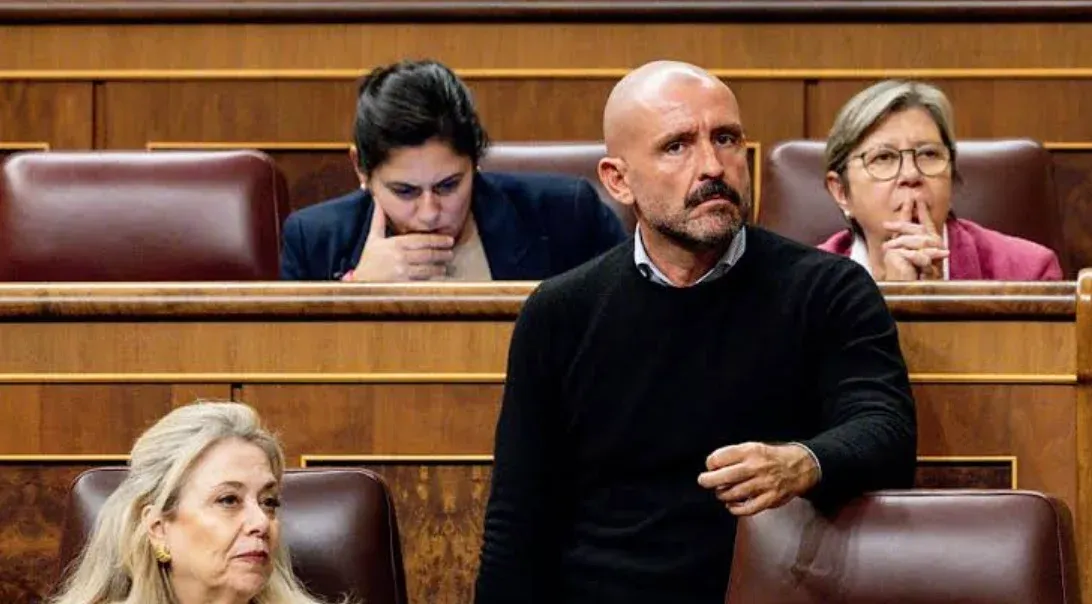
Spain demands urgent clarification from Morocco over disputed cities
The controversy surrounding Morocco’s stance on Ceuta and Melilla has reignited political tensions in Spain following a surge in migration toward Ceuta on July 30–31, 2026.
Updated August 2026
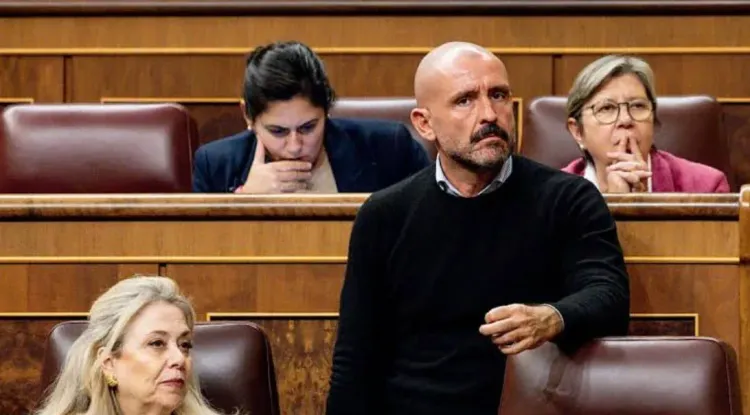
Jaime de los Santos
But Mr. Ouahbi didn’t stop there. He also criticized Spain’s handling of the late July migration crisis, particularly the return of unaccompanied Moroccan minors, and firmly rejected the idea that Morocco should act as Europe’s migration police.
Madrid’s political opposition, spearheaded by the Popular Party (PP), has seized on these remarks to demand immediate action. On August 13, 2026, PP lawmaker Jaime de los Santos publicly urged the Spanish government to summon Morocco’s ambassador for urgent consultations—a move he argued was long overdue.
During a visit to Barcelona, Mr. de los Santos drew a sharp comparison: he questioned why Madrid had swiftly summoned Italy’s ambassador after Rome suspended its Schengen agreement, yet remained silent in the face of Morocco’s recent actions—both the mass migration surge at Ceuta and the minister’s comments on Spanish sovereignty over the two cities.
The PP’s demands don’t end with the ambassador’s summoning. The party has submitted formal written questions to the Congress demanding that Félix Bolaños, Spain’s Minister of the Presidency and Justice, clarify all exchanges with his Moroccan counterpart since the border crisis. They also seek answers on how Spain plans to respond to Ouahbi’s remarks about the enclaves’ status.
Another concern raised by the conservatives is Morocco’s implied threat to suspend the bilateral extradition treaty—a tool they argue is vital for managing the return of those who crossed the border fence.
The diplomatic row shows no sign of fading. While Spain’s right-wing opposition pushes for a firmer stance, the Sánchez administration has so far resisted calls for tougher measures, leaving the dispute unresolved.