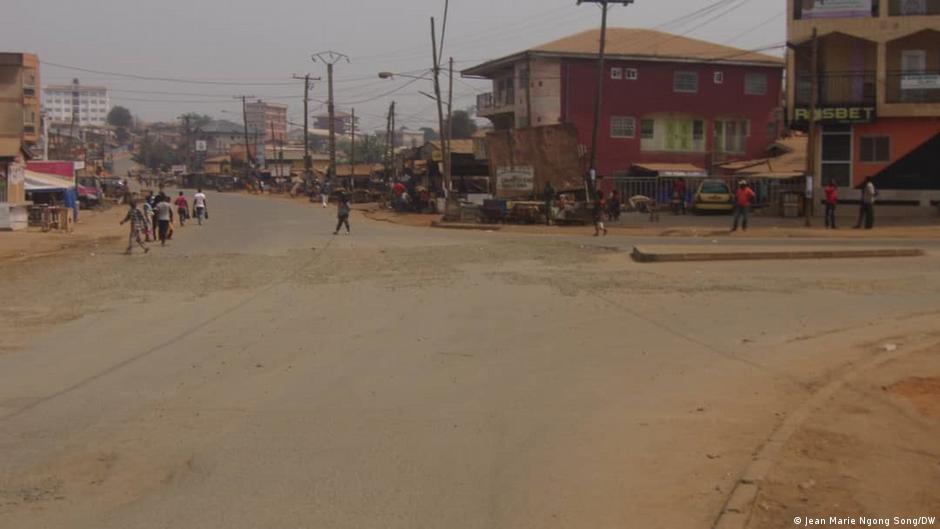
The national road 5 in Cameroon, a key economic artery linking Douala to Bafoussam and Bamenda, is in a dire state of disrepair. With alarming fatality rates and crumbling infrastructure, this vital route has become a growing concern for both travelers and authorities.
Decades of neglect, exacerbated by relentless heavy vehicle traffic and increasingly intense rainfall, have transformed this once-reliable corridor into a hazardous path. The combination of structural decay and climate pressures has pushed the road to the brink of collapse.
Journey through a broken road
Traveling by bus from Douala to Bafoussam is now a punishing ordeal. Rising water levels erode the asphalt, while massive potholes and sudden ground collapses force drivers onto dangerous detours. What was once a three-and-a-half-hour trip now consumes nearly ten hours of grueling travel time.
Passengers endure severe discomfort and fatigue, as evidenced by Alice, a traveler who described her recent journey: “We left Bafoussam 14 hours ago. The main road is completely impassable in the Haut-Nkam area. We had to take the Yaoundé route—even though our destination was Douala—and reroute at Bagangté to reach the Douala axis. We’re exhausted, our bodies aching from the ordeal.”
Deadly stretch: the western corridor
The hilly terrain of the West region, coupled with relentless seasonal downpours, has turned this route into a high-risk zone. The November 5, 2024, cliff collapse near Dschang, which claimed 14 lives, underscored the road’s vulnerability to extreme weather.
Dubbed the “Triangle of Death,” the Douala-Yaoundé-Bafoussam corridor is reportedly responsible for nearly 100 traffic fatalities each month. Travelers describe their arrival in Bafoussam or Douala as a painful relief. As one anonymous passenger put it: “I arrived this morning at 2 a.m. It was a nightmare. I’d even suggest agencies reroute trips via National Road 3 through Yaoundé and take National Road 6. Yes, it costs twice as much, but at least it avoids spending 10 or 11 hours on National Road 5—and ending up in pieces.”
Government response and public frustration
In response to the crisis, authorities have proposed a rehabilitation budget of 180 billion CFA francs. Yet frustration among drivers and passengers runs deep. Mika Séma, a transporter, voiced the community’s anger: “Tolls are meant to maintain roads. How can we justify paying for a road that’s barely passable? The government must take action to fix this route before more lives are lost.”
With rainy seasons growing more severe and no large-scale repairs in sight, the Douala-Bafoussam highway remains a ticking time bomb on Cameroon’s roads.