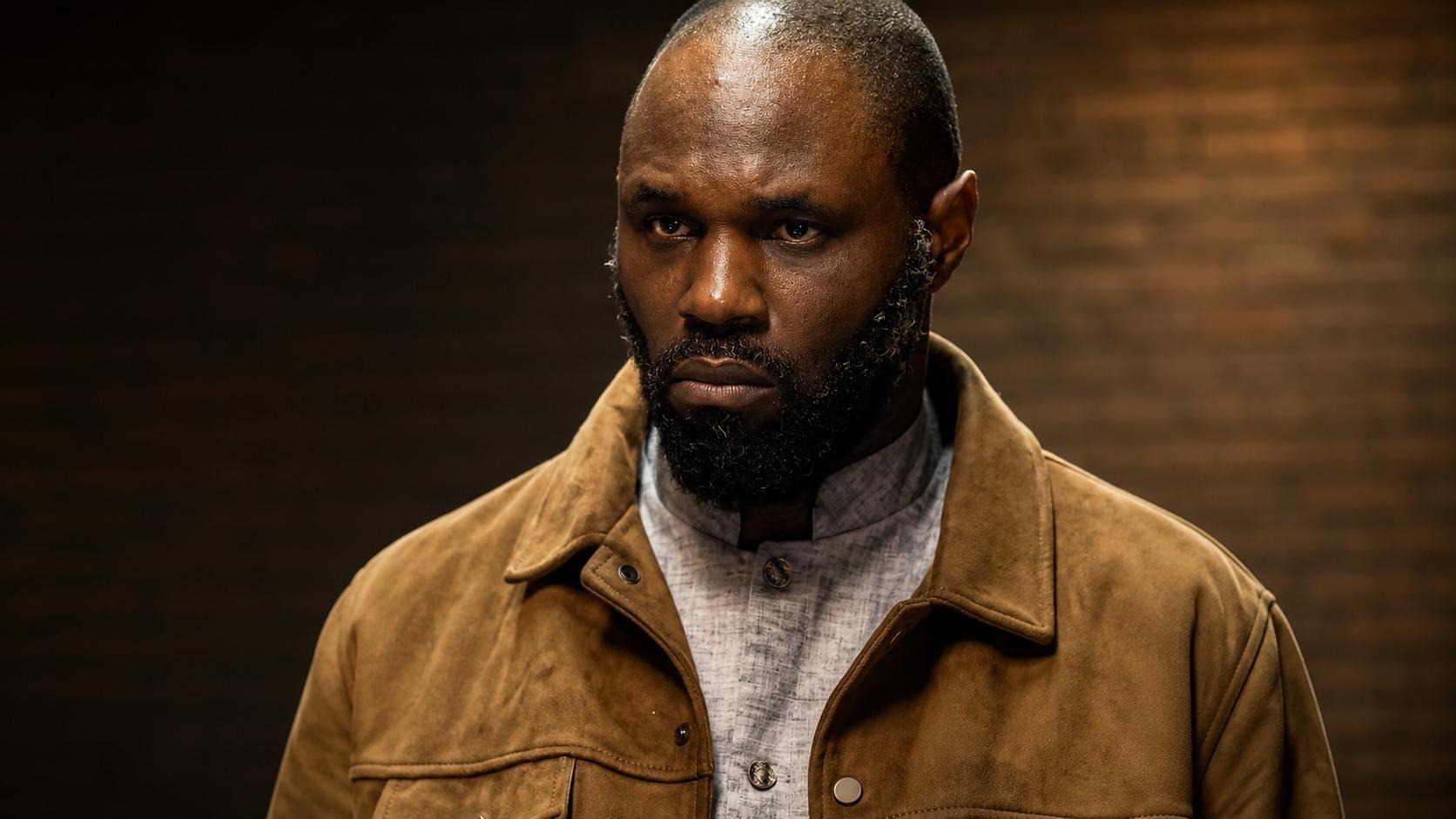
An unexpected infrastructure failure disrupted court proceedings in Pretoria on Wednesday, forcing judges to postpone the high-profile extradition hearing of prominent activist Kémi Séba.
The cancellation stemmed from a power outage at the detention facility where he remains incarcerated. South African prison authorities confirmed that the blackout prevented secure inmate extraction and transfer protocols, a critical step required before any detainee can appear in court. Without access to functioning security systems, automated gates, or verified biometric checks, officials could not safely move Séba to the courtroom, leading to an immediate adjournment.
How a blackout derailed judicial procedure
The incident highlights the vulnerabilities in South Africa’s penal infrastructure. Frequent electricity shortages—often referred to locally as loadshedding— regularly disrupt operations in correctional centres across the country. These interruptions can paralyse essential systems, including surveillance networks, automated lockdown mechanisms, and identity verification tools, all of which are necessary for secure prisoner transport.
With no viable alternative to physically presenting the accused due to the power failure, and no possibility of establishing a secure video link in the absence of electricity, the judge had no choice but to reschedule the hearing.
Legal limbo extends for Séba
The postponement compounds existing legal uncertainties surrounding the case. Until the next hearing date, Kémi Séba remains in custody, with no resolution in sight for either his extradition request to Bénin or his pending asylum appeal.
Court records indicate that the following issues remain unresolved:
- Continued detention: Séba stays behind bars pending the rescheduled court appearance.
- Extradition proceedings: The Bénin-initiated request through the CRIET is still under review.
- Political asylum claim: His application for asylum status in South Africa has yet to be heard on its merits.
A new court date has been set for 23 September 2026, giving legal teams additional time to prepare arguments and address the technical and legal challenges that continue to complicate this case.