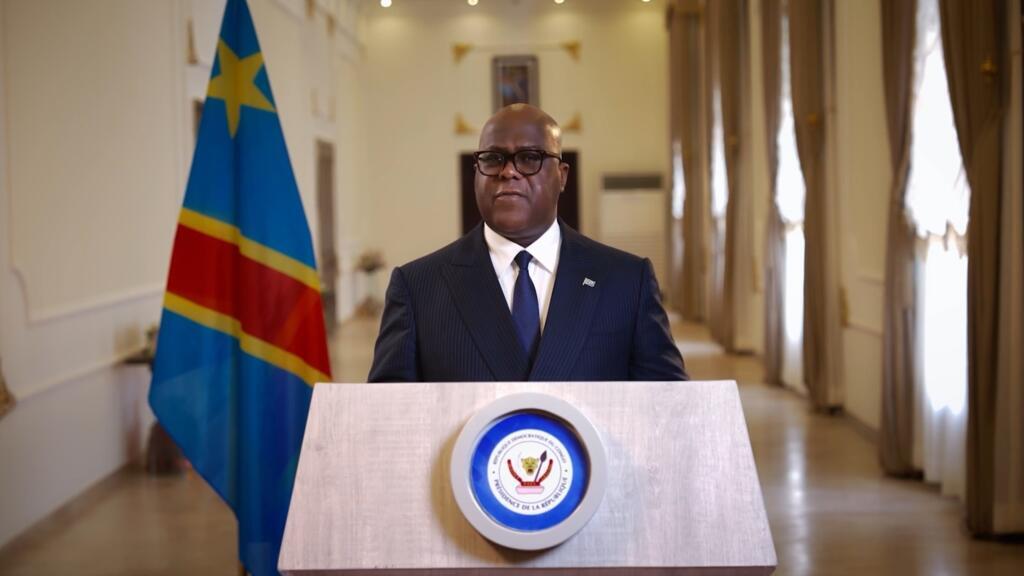
The suspense has ended in Kinshasa, as the Constitutional Court in the Democratic Republic of Congo recently affirmed the conformity of the referendum organization law with the nation’s constitution.
This judicial decision, however, has ignited a profound division within the Congolese political landscape. Opponents express deep concern that this legislation could pave the way for constitutional amendments, potentially allowing the head of state to extend his tenure. Conversely, the presidential faction vehemently rejects this interpretation, insisting that the proposed reforms are solely aimed at enhancing the efficiency of state institutions.
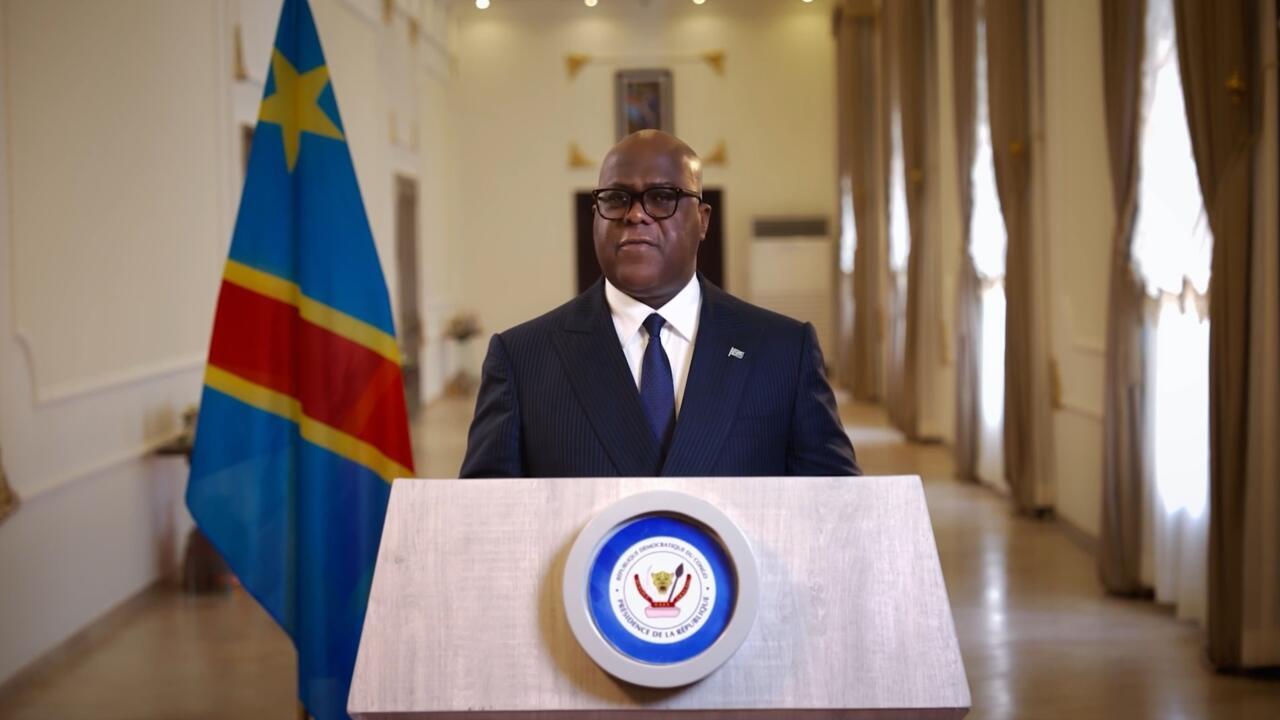
Currently, Félix Tshisekedi, 63, who assumed power in 2019, is approaching the conclusion of his second term by the end of 2028. The existing Congolese Constitution explicitly prohibits any revision of the presidential term limits or duration. Nevertheless, during a rare press conference held in early May, President Tshisekedi declared that he had “not solicited a third term,” but added a significant caveat: “if the people wish for me to have a third term, I will accept.”
Opposition stands firm
A pivotal step has now been completed. President Félix Tshisekedi is free to enact the referendum law, which has already received approval from the National Assembly and validation from the Senate.
Consequently, the opposition remains vehemently opposed. They argue that promulgating this referendum law could initiate a constitutional overhaul, potentially resetting President Tshisekedi’s term count and enabling him to seek a third mandate. This prospect is deemed unacceptable by the opposition, which has been actively mobilizing for weeks to thwart any attempts at constitutional revision. While the Congolese government has not yet offered any official justification for the opposition’s distrust, President Tshisekedi’s earlier remarks about being open to a third term if supported by the populace continue to fuel their concerns.
The Catholic Church also weighs in
Adding to the growing chorus of opposition, the influential Catholic Church in the DRC has also voiced its disapproval of any constitutional alterations. The Cenco, the Congolese Episcopal Conference, representing bishops across all provinces, issued an unequivocal statement regarding the president’s proposed constitutional changes. The Congolese prelates firmly asserted that they “saw neither the necessity, nor the urgency, nor the opportunity to modify the Constitution.” This constitutes a clear rejection of a potential third term. The Catholic prelates’ stance demonstrates consistency, echoing their significant role in inspiring numerous demonstrations in 2018. Those protests aimed to dissuade then-President Joseph Kabila from seeking a third term, which the Constitution then stipulated should be his last. Under intense public pressure, coupled with international condemnation and threats of sanctions, Joseph Kabila reluctantly conceded.
A dialogue? What kind of dialogue?
The constitutional debate may be a central topic during an anticipated political dialogue in the coming weeks, though many uncertainties surround its actual implementation.
President Tshisekedi has entrusted religious confessions with the task of organizing this political dialogue, yet its precise parameters, particularly its inclusivity (such as whether it will involve all key figures in the Congolese crisis, including former President Kabila), are still undefined. There’s a noticeable divergence in perspectives regarding the dialogue’s agenda: the government prioritizes national cohesion in the face of Rwandan aggression, while the opposition remains steadfastly focused on preventing constitutional change. The head of state has expressed a willingness to address “all questions of national interest,” suggesting that the constitutional debate would not be off-limits. However, a critical challenge remains: avoiding the pitfalls of such exercises, which incumbent powers often exploit to weaken opposition by offering yet another distribution of power.