World Vision Tchad Unveils Bold Strategy to Transform Child Welfare by 2030
World Vision Tchad has officially rolled out its ambitious five-year strategy (2026–2030) designed to uplift the lives of 3.29 million children, with a special focus on reaching 3.09 million of the most vulnerable. The initiative combines emergency assistance, sustainable development, and peacebuilding into a cohesive framework to address the country’s most pressing challenges.
Launching a Vision for Every Child in Tchad
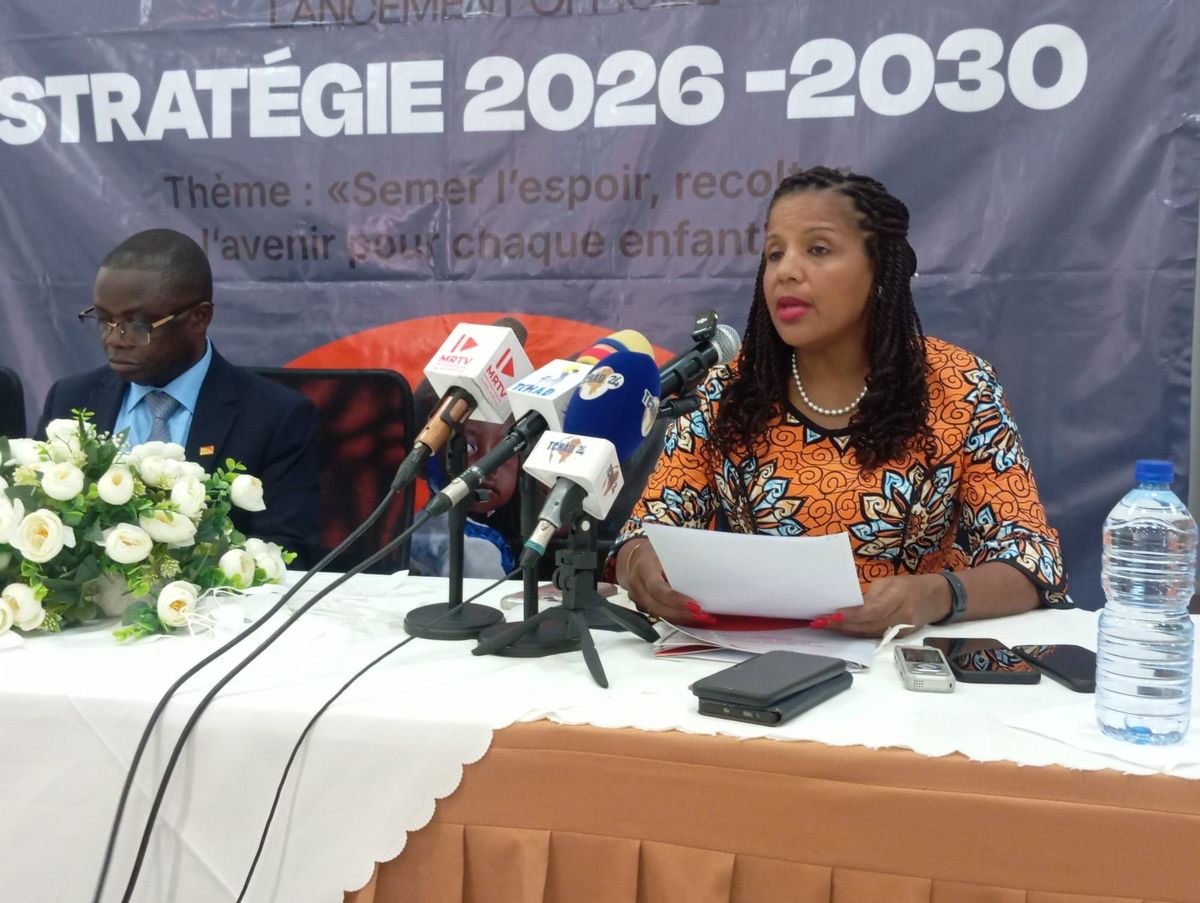
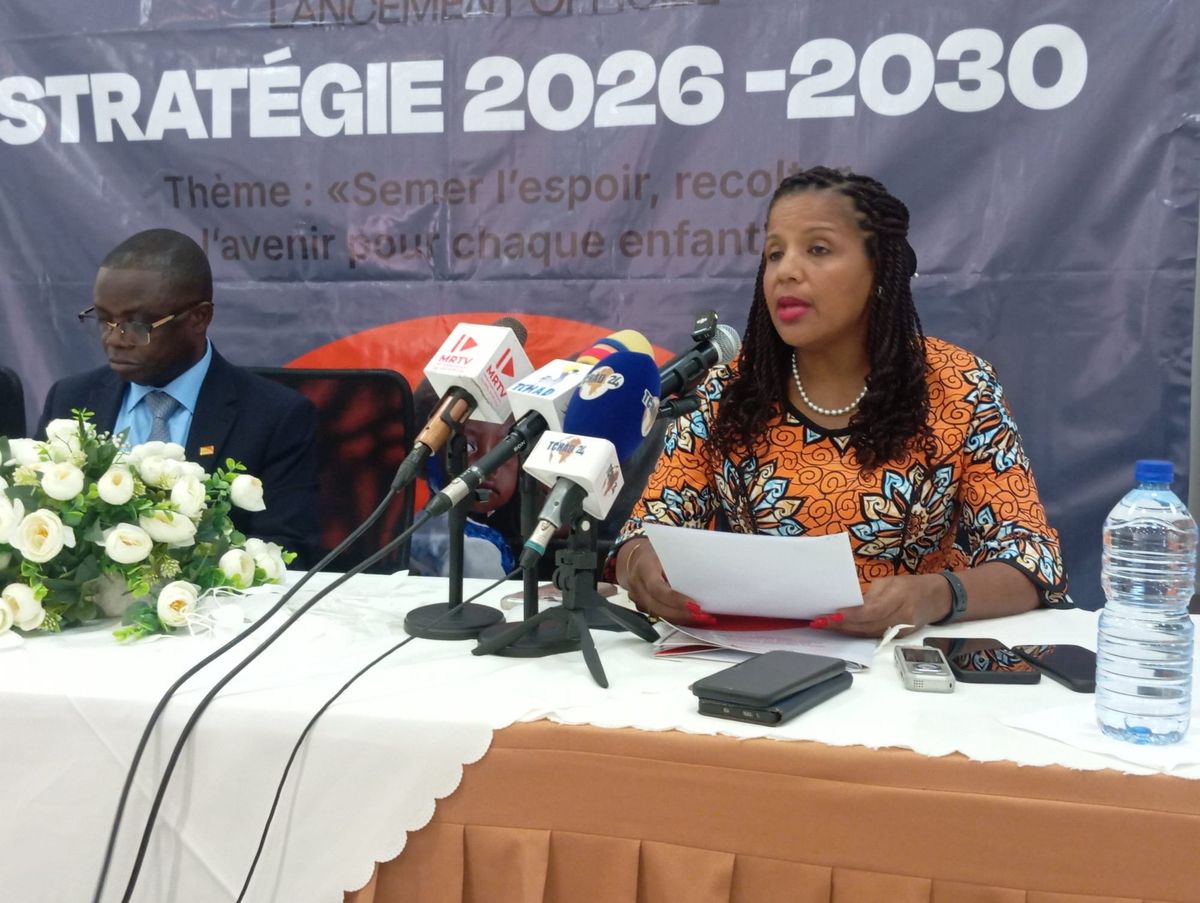
The strategy was unveiled during a high-profile press conference in N’Djamena, attended by media representatives, technical and financial partners, and national authorities. Carla Dominique Denizard, Regional Director for West Africa at World Vision, emphasized the organization’s commitment to ensuring that no child is left behind. She described the new approach as a fusion of humanitarian aid, long-term development, and peacebuilding—an integrated model she termed the “Humanitarian-Development-Peace Nexus.”
Denizard highlighted that the strategy aligns with continental and global goals, including the African Union’s Agenda 2063, the United Nations Sustainable Development Goals (SDGs 1, 2, 3, 4, 5, 6, 13, and 16), and Tchad’s Vision 2030. She stressed the urgency of addressing systemic challenges such as chronic poverty, climate change, and forced displacement, which disproportionately affect children in vulnerable communities.
Strengthening Foundations: Health, Education, and Protection
Édouard Ngoy Wangoy, National Director of World Vision Tchad, called the launch a “historic milestone” for the organization and for the future of the country’s children. He revealed that the new strategy represents a 20% increase in ambition compared to previous cycles, with a clear goal: ensuring that every child in Tchad not only survives but thrives. “Our mission is clear—we want to build a nation where every child is safe, well-nourished, educated, and empowered to reach their full potential,” he stated.
The strategy prioritizes several key areas:
- Nutrition and Health: Expanding integrated health services with a focus on maternal and child health to combat malnutrition, which affects nearly 42% of the population living below the poverty line.
- Education: Scaling the Unlock Literacy program to improve early reading skills and reduce school dropout rates.
- Child Protection: Strengthening systems to shield children from violence, exploitation, and abuse in all forms.
- Climate Resilience: Empowering communities to adapt to environmental changes through sustainable agricultural practices and disaster preparedness.
Ngoy Wangoy also underscored the critical role of partnerships, calling on government agencies, development partners, civil society organizations, religious leaders, and the media to collaborate closely. “This is not a task for World Vision alone,” he said. “It requires collective action to turn today’s challenges into lasting opportunities for Tchad’s children.”
A Call to Collective Action
The launch concluded with a unified call to action. World Vision Tchad’s leadership urged all stakeholders to rally behind the strategy, emphasizing that achieving these goals will require sustained investment, community engagement, and policy support. By integrating humanitarian relief with long-term development and peace initiatives, the organization aims to create a sustainable pathway out of poverty and instability for generations to come.
The strategy’s ultimate vision is to contribute directly to Tchad’s Vision 2030 and the global SDGs, fostering a future where every child has the chance to grow, learn, and contribute to a thriving society.