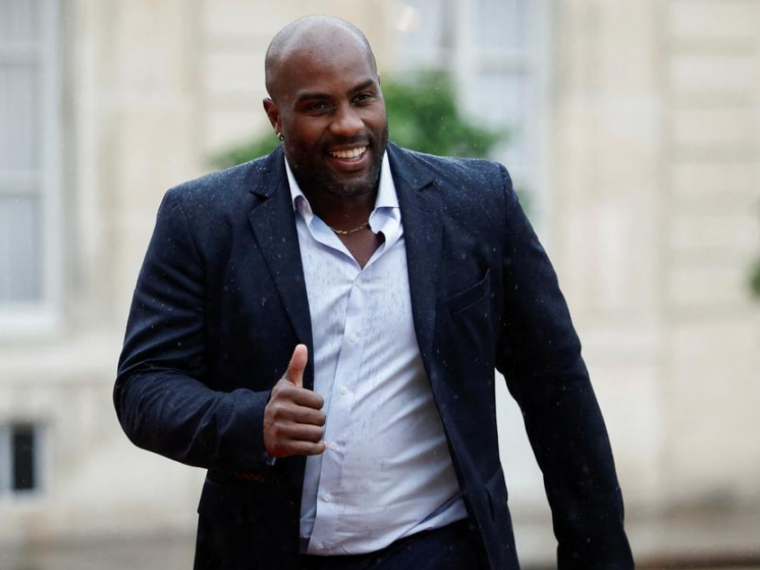
With the 2027 French presidential election on the horizon, more than 30 individuals have declared their intentions to run for the Élysée. This growing list includes established politicians, civil society leaders, and even Olympic champion Teddy Riner. Yet, the path to appearing on the ballot is far from guaranteed—collecting 500 official endorsements is the first and most critical hurdle.
The gathering storm of candidacies
The 2027 presidential race is shaping up to be one of the most crowded in recent memory. From seasoned politicians to grassroots activists and public figures like Teddy Riner, the diversity of candidates reflects the broad appeal of running for France’s highest office. Riner, who announced his candidacy in November 2026, has positioned himself as a unifying figure, rejecting traditional left-right divides in favor of a broader national consensus.
The sheer number of aspirants—now exceeding 30—underscores the election’s magnetic pull. However, ambition alone does not secure a spot on the ballot. The French electoral system imposes strict rules to ensure only serious, representative candidates proceed to the first round.
The 500-signature gauntlet: how it works and why it matters
For any candidate to be officially recognized, they must gather 500 endorsements—or parrainages—from elected officials across France. These signatures must come from a carefully defined pool of eligible electors, including mayors, members of parliament, regional and departmental councilors, and other designated officials.
But the challenge doesn’t end with collecting 500 names. The law requires these endorsements to be distributed across at least 30 different departments or overseas territories. Even within those jurisdictions, no single department can contribute more than 50 signatures—just 10% of the total—ensuring a broad geographic spread.
It’s worth noting that these parrainages are not pledges of political support. An elected official can endorse a candidate without aligning with their policy platform. The signature merely certifies that the candidate meets the formal criteria to appear on the ballot.
Who qualifies to run, and what comes next?
Beyond the signature hunt, presidential hopefuls must meet several legal requirements. Candidates must:
- Be French citizens by birth or naturalization
- Be at least 18 years old
- Possess full civil and political rights
- Have fulfilled national service obligations
- Not be subject to any legal incapacities or ineligibilities
Once the 500 signatures are secured, candidates must submit their full dossier to the Constitutional Council. This includes verifying the validity of endorsements, confirming eligibility, and obtaining the candidate’s consent. Additionally, they must file declarations of assets, interests, and professional activities to ensure transparency.
Deadlines and consequences: the road to March 2027
The clock is ticking. The Constitutional Council must receive all endorsement documents by 12 March 2027 at 6:00 PM. The official list of approved candidates will be published no later than 26 March 2027.
The deadline looms large for outsiders and political newcomers like Teddy Riner. Without a strong network of local elected officials, the task of gathering signatures can prove insurmountable. Many may abandon their bids well before the deadline, while others will simply fail to meet the requirements.
From ambition to ballot: what happens after the signatures?
Even if a candidate secures the 500 parrainages, the journey is far from over. Campaign finance rules impose strict spending caps, and all financial disclosures must be vetted by the National Commission for Campaign Accounts and Political Financing (CNCCFP). Transparency in donations and expenditures is mandatory, and violations can result in disqualification or legal penalties.
The first round of voting is scheduled for 18 April 2027, with a potential runoff on 2 May. Until then, the field of over 30 aspirants will continue to evolve—some dropping out, others doubling down on their campaigns. Yet for all the media attention and personal ambition, one fact remains unchanged: without 500 valid signatures, none will make it to the starting line.