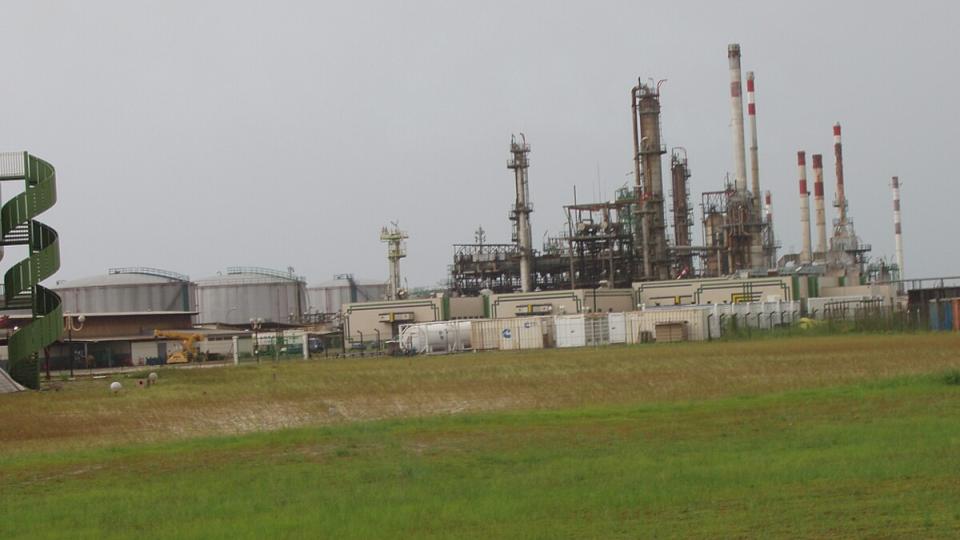

Abéché, a prominent urban center nestled in eastern Chad, serves as a compelling illustration of the profound historical and contemporary connections that bind Chad to its eastern neighbor, Sudan. This Chadian city has long been defined by its deep cultural and demographic intermingling, solidifying its reputation as one of Chad’s most distinctively “Sudanese” locales. Its strategic geographic position, mere miles from the border, has invariably shaped its unique identity and established it as a vital nexus for cross-border exchanges.
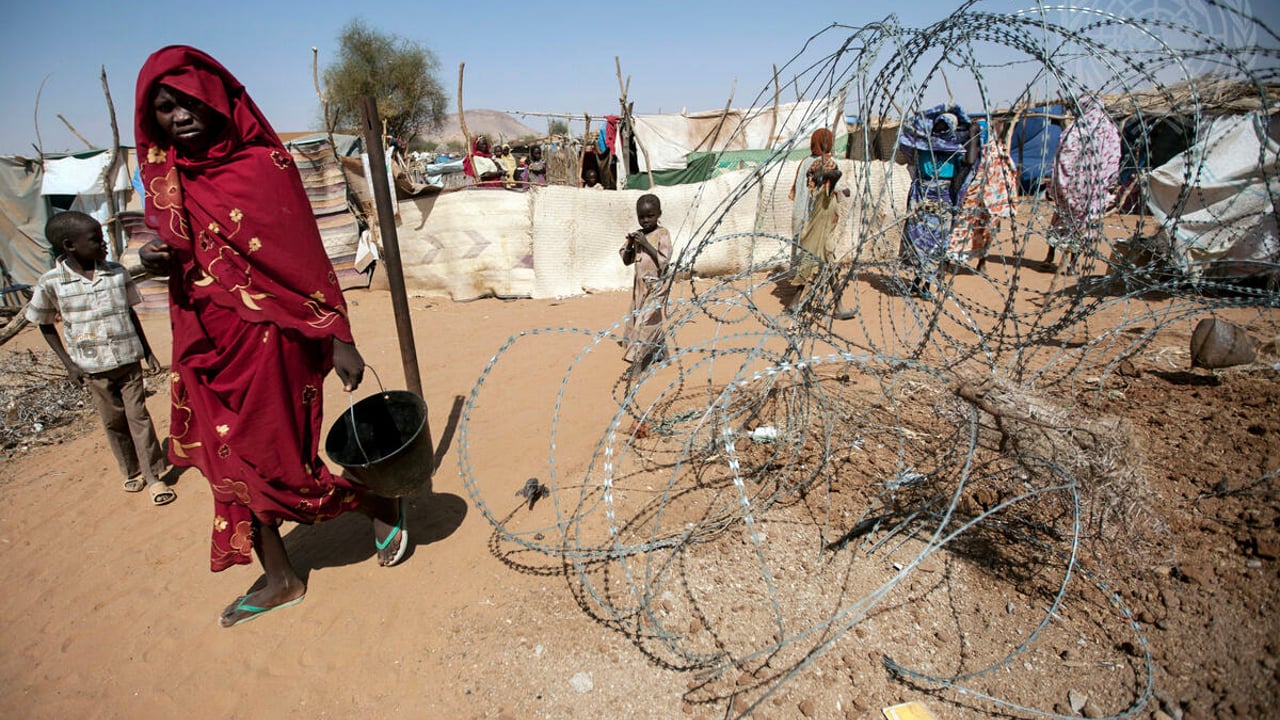
The evolving regional landscape has further accentuated Abéché’s critical importance. As the complex situation in Sudan unfolds, the city has emerged as an indispensable point of entry and sanctuary for countless individuals seeking respite from instability. We witness the arduous daily struggles faced by many, exemplified by Sudanese refugees in Abéché, Chad, diligently working to secure fundamental necessities such as water. This poignant reality underscores the urgent humanitarian imperatives prevalent in the region. Organizations like the HCR (United Nations High Commissioner for Refugees) are actively engaged on the ground, delivering crucial assistance and support to the displaced populations.
The broader political dynamics, involving influential regional figures, highlight the intricate nature of the crisis. Leaders such as Mahamat Idriss Déby Itno, currently leading Chad, alongside key Sudanese personalities like Hemetti and Abdel Fattah al-Burhane, remain central to the ongoing developments that inevitably impact border communities such as Abéché. Their decisions and actions carry significant weight, influencing the stability and overall well-being of populations across both Chad and Sudan, particularly those who have sought safety within Chadian territory.