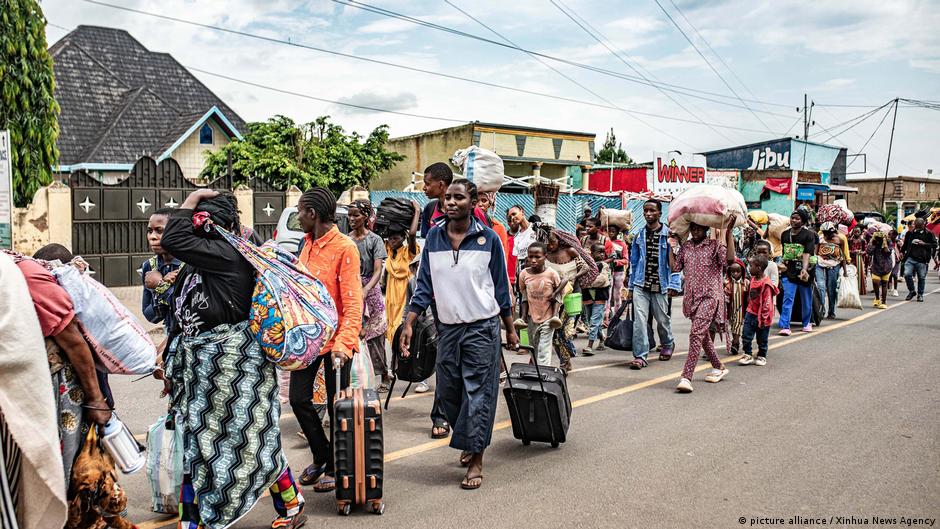
As the United Nations Human Rights Council convenes its 63rd session in Geneva this week, activists are drawing attention to the relentless abuses inflicted on civilians in the Democratic Republic of Congo and the persistent impunity enjoyed by those responsible.
In the eastern part of the country, where the AFC/M23 group holds sway over significant territory, civilians continue to suffer grave violations, including deadly drone strikes. Meanwhile, in the west, under the control of the national authorities, human rights groups report a surge in arbitrary arrests and secret detentions.
Abuses documented, but perpetrators rarely brought to justice
Rights organisations describe the situation in the DR Congo as deeply alarming, whether in the conflict-ravaged east or in the government-administered west. Despite extensive documentation by both international bodies and local watchdogs, accountability remains elusive.
“The UN continues to record these violations, as do international and local organisations. In areas run by the government, individuals are held in official prisons or unofficial detention sites without knowing the charges against them. Those within state institutions who orchestrate such abuses are seldom prosecuted,” says Jean-Claude Katende, president of the African Association for the Defence of Human Rights (ASADHO). His organisation has repeatedly condemned this culture of impunity.
National commission demands sanctions against AFC/M23
The National Commission for Human Rights (CNDH) points the finger squarely at the AFC/M23 for the most egregious abuses, which it says strike at the very core of human rights. The CNDH has called on the international community to impose targeted sanctions on the rebel group.
“We deplore the extreme violations and attacks on the right to life in areas under M23 occupation. These are abuses that strike at the heart of human rights. Of course, across the whole national territory, we will also demonstrate in Geneva that violations occur, but they fall into the traditional category that requires conditions such as a strong economy,” insists Paul Nsapu, head of the CNDH.
Beyond the debates in Geneva, human rights defenders in the DR Congo are demanding concrete action. For them, the central issue is justice: documenting abuses, identifying the perpetrators, and ending impunity once and for all.