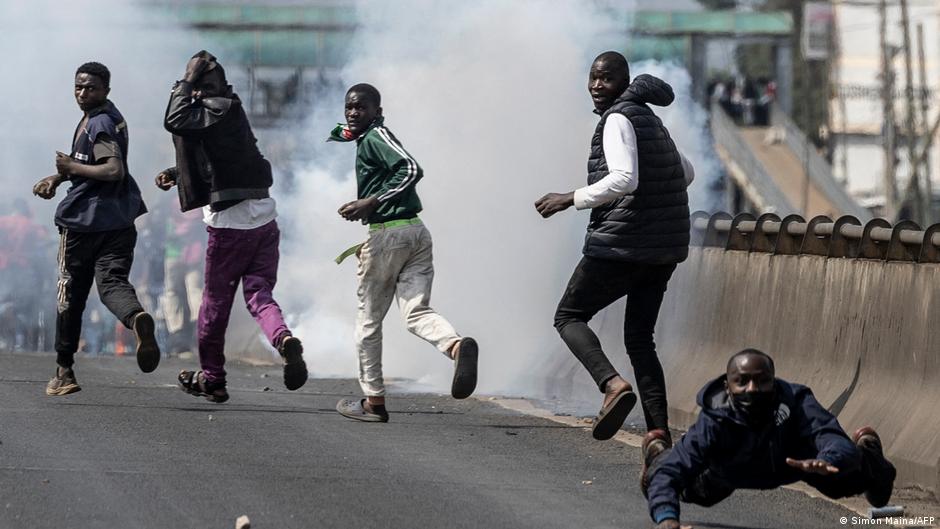
The state of democracy across West Africa presents a complex picture—marked by both democratic advances and troubling setbacks. While some nations are strengthening their democratic institutions, others are witnessing political backsliding, coups, and restrictions on civil liberties. This dual reality reflects the continent’s evolving political landscape, where progress and regression often coexist.
Recent assessments highlight a concerning trend in several Sahel countries, where military rule has either taken hold or been solidified. Nations like Mali, Burkina Faso, and Niger now face significant challenges in restoring constitutional order. Other issues contributing to democratic erosion include:
- Postponed or disputed elections, raising questions about electoral fairness and transparency.
- Crackdowns on political opposition, media, and civil society, stifling dissent and public participation.
- Constitutional amendments enabling prolonged presidential rule, undermining term limits and checks on power.
While elections still occur in many states, their credibility is frequently questioned by observers and citizens alike. The fragility of democratic norms in the region demands urgent attention to restore trust in governance systems.
Democratic resilience in select nations
Despite these challenges, West Africa is not uniformly regressing. Countries such as Senegal, Cabo Verde, Botswana, Seychelles, and Ghana stand out as examples of political pluralism and peaceful transitions of power. Recent electoral processes in these nations demonstrate that voters can still hold governments accountable through the ballot box.
Data from Afrobarometer reveals that a majority of Africans remain committed to democratic principles, demanding greater transparency, accountability, and citizen participation. This persistent demand for good governance signals that democratic aspirations are far from extinguished in the region.
The driving force of young citizens
Young people are playing an increasingly pivotal role in shaping Africa’s democratic future. Through organized movements, they are advocating for:
- Stricter electoral integrity measures to ensure fair representation.
- Zero tolerance for corruption in public institutions.
- Improved governance and economic opportunities to address youth unemployment.
This wave of activism underscores the critical role of youth in driving positive change and holding leaders accountable to the people.
Key challenges ahead
For democracy to thrive in West Africa, several critical issues must be addressed in the coming years:
- Restoring constitutional governance in military-led states.
- Ensuring the independence of electoral and judicial institutions from political influence.
- Enforcing presidential term limits and respecting constitutional boundaries.
- Safeguarding public freedoms, including press freedom, political opposition, and civil society engagement.
- Addressing socio-economic demands, particularly for young populations facing limited opportunities.
As the continent navigates these challenges, the balance between democratic ideals and political realities will determine the trajectory of governance in West Africa for years to come.