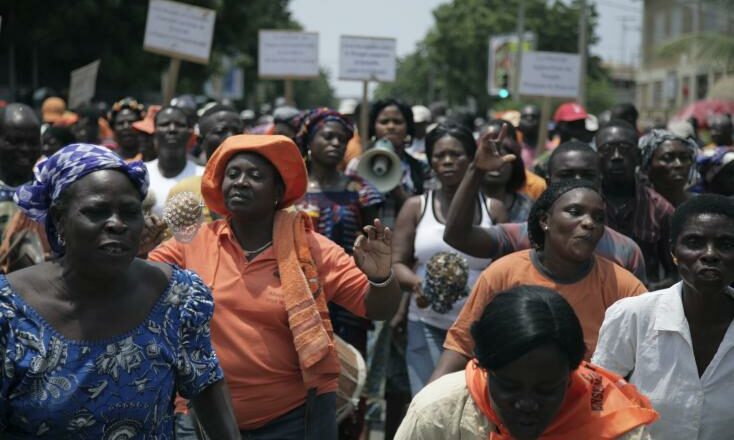
Belgium and France have jointly issued a security advisory for their citizens in Kinshasa, urging them to minimize travel and avoid venturing outdoors on July 22, 2026. This precaution comes in response to an announced opposition demonstration led by the C64 coalition, as tensions in the Democratic Republic of the Congo continue to escalate.
The warning reflects a broader deterioration in regional security, prompting Western governments to tighten travel recommendations for the area. In recent months, multiple incidents—including violent protests targeting foreign missions—have raised concerns about public safety across the country.
Belgium issues formal travel warning for DRC
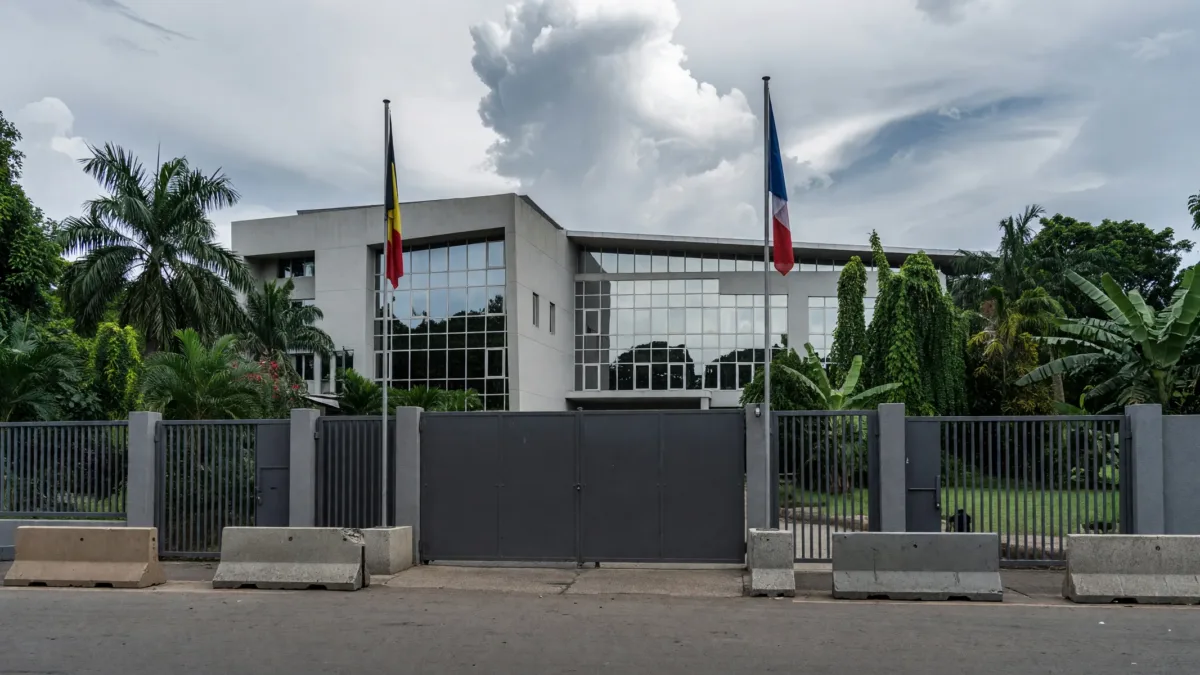
On July 16, 2026, Belgium’s Ministry of Foreign Affairs upgraded its travel advisory for the DRC, advising against all non-essential trips. The decision follows specific security threats, including a January 2025 attack on the Belgian embassy in Kinshasa and drone strikes near Kisangani airport in early 2026.
The ministry’s warning underscores the persistent political instability in the DRC, where opposition groups like C64 frequently organize public gatherings that often clash with security forces. Authorities have repeatedly warned that such demonstrations may turn violent, posing risks to both locals and foreign residents.
France and Canada join cautionary stance
France has also reinforced its travel guidance for the DRC, updated on July 14, 2026. Paris cited both heightened security risks and an active Ebola outbreak as reasons to avoid travel. Meanwhile, Canada has imposed a 21-day quarantine requirement for travelers entering from the DRC due to the ongoing epidemic, adding further logistical hurdles for visitors and residents alike.
Consular concerns in Kinshasa’s foreign communities
For Belgian and French nationals living in Kinshasa, these advisories signal a reinforced consular protection policy. Belgium, with its historical ties to the DRC, maintains substantial diplomatic and economic presence, making the safety of its citizens a priority. France also hosts a sizable expatriate community in Kinshasa, particularly in sectors like humanitarian aid and development cooperation.
Both countries regularly coordinate their security communications in Central Africa, particularly in high-risk zones. While the duration of these restrictions remains unspecified, diplomatic sources indicate they are expected to be reassessed after July 22, once the opposition’s planned march has concluded and local conditions are re-evaluated.