Niger’s media crackdown reaches a turning point
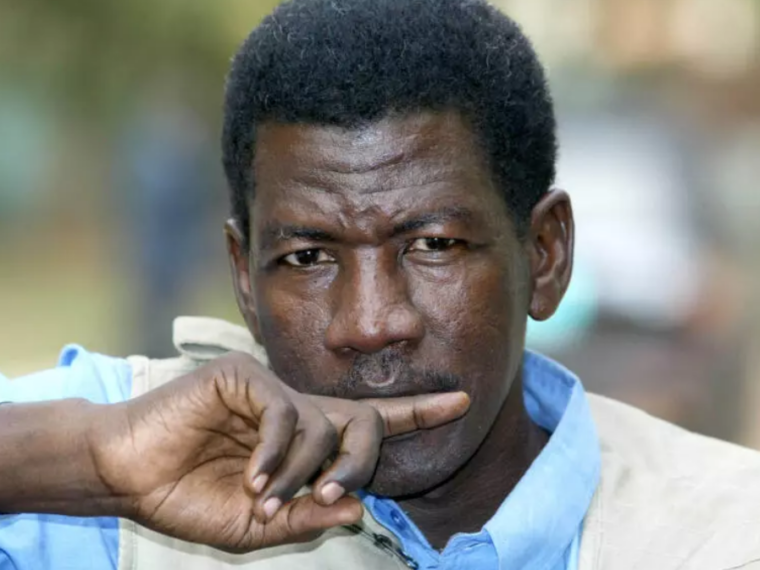
The disappearance of Moussa Kaka, a veteran Nigerien journalist, has sent shockwaves through the country’s media landscape, marking a pivotal moment in the ongoing erosion of press freedom since the 2023 military takeover. Since July 26, 2023, when General Abdourahamane Tiani seized power, the environment for journalists in Niger has grown increasingly hostile. Arrests, detentions, and legal pressures have escalated, culminating in Kaka’s sudden vanishing act—a stark reminder of the risks faced by those who dare to report the truth in a tightening political climate.
The backdrop: A year of escalating repression
The coup that ousted President Mohamed Bazoum in 2023 triggered a wave of restrictive measures against both local and international media outlets. Signals from RFI and France 24 were suspended, and relations with foreign news organizations soured rapidly. Reporters Without Borders (RSF) has documented a sharp decline in press freedom, noting a 37-place drop in Niger’s global ranking—from 83rd in 2025 to 120th in 2026—under the transitional regime.
Sensitive topics—including military affairs, governance, and international relations—have become taboo, subjecting journalists to arbitrary arrests and prolonged detentions. The cases of Samira Sabou, Seyni Amadou, and Gazali Abdou Tasawa exemplify the growing intolerance for critical journalism, with many facing charges like “breach of state security” or “defense of national interests.”
From disappearance to detention: A disturbing pattern
The disappearance of Moussa Kaka is not an isolated incident. In September 2024, Ivorian journalist Serge Mathurin Adou vanished in Niamey, only to resurface weeks later after being detained under accusations of destabilizing Burkina Faso. His case highlighted a troubling trend: journalists can disappear without explanation, only for their detention to be revealed weeks or months later.
Since the coup, 13 journalists were arrested in 2025 alone, according to the Media Foundation for West Africa. Many were released after brief detentions, but others—like Ibro Chaibou, Youssouf Sériba, and Oumarou Kané—spent months behind bars before their eventual release. The legal framework, particularly cybercrime laws, has further chilled investigative reporting, leaving journalists vulnerable to prosecution for online content.
The stakes for Niger’s democracy
The disappearance of Moussa Kaka is more than a personal tragedy; it is a crisis for Niger’s democracy. Press freedom is not just about the number of operating media outlets—it’s about the ability of journalists to hold power to account without fear of reprisal. When a journalist’s whereabouts become unknown in a climate where arrests and detentions are routine, the message is clear: the cost of truth-telling is rising.
For Kaka’s family, colleagues, and the broader Nigerien public, the uncertainty surrounding his fate underscores a harsh reality. The right to information is under siege, and the silence surrounding his disappearance only deepens the climate of fear. Will Niger’s journalists continue to operate under this shadow, or will this moment force a reckoning with the erosion of their fundamental freedoms?
What comes next? The case for accountability
An urgent, transparent investigation into Moussa Kaka’s disappearance is essential—not only for his sake but for the future of press freedom in Niger. The pattern of arrests, detentions, and sudden vanishings cannot be ignored. If Niger’s transitional authorities are serious about restoring stability and democratic norms, they must address the culture of impunity that has taken root.
The international community, including human rights organizations and media watchdogs, must also intensify pressure on Niamey to clarify Kaka’s status. The precedent set by his case will determine whether Niger’s journalists can operate without fear—or whether they will be forced into self-censorship to survive.