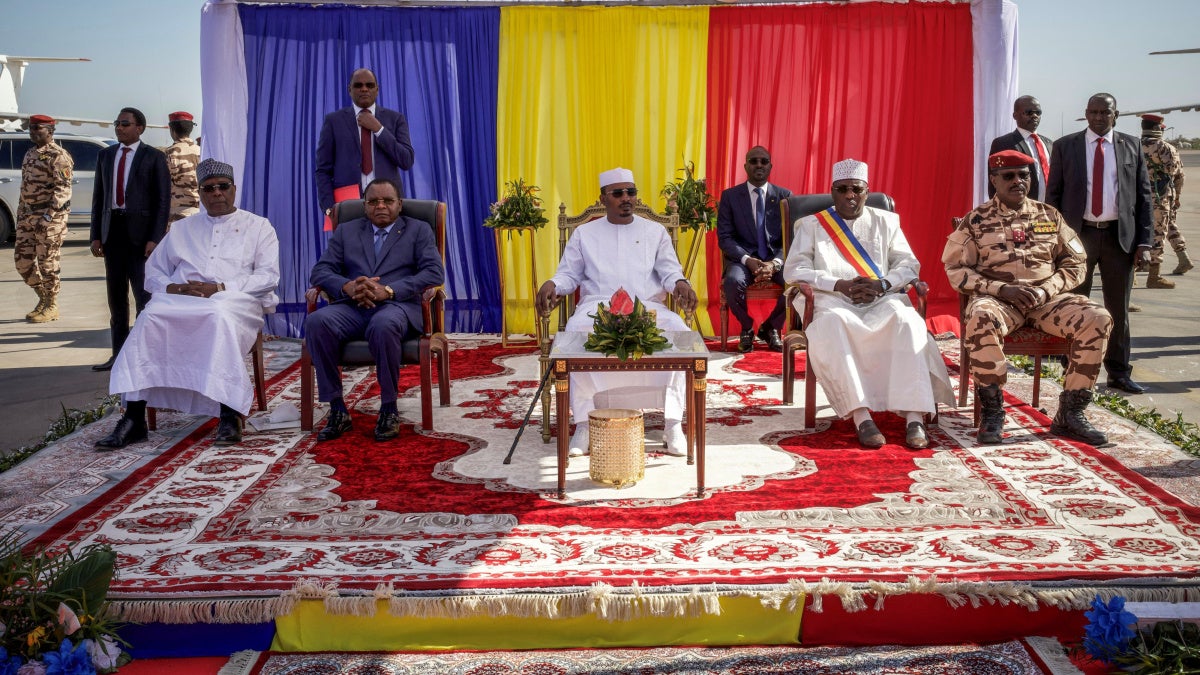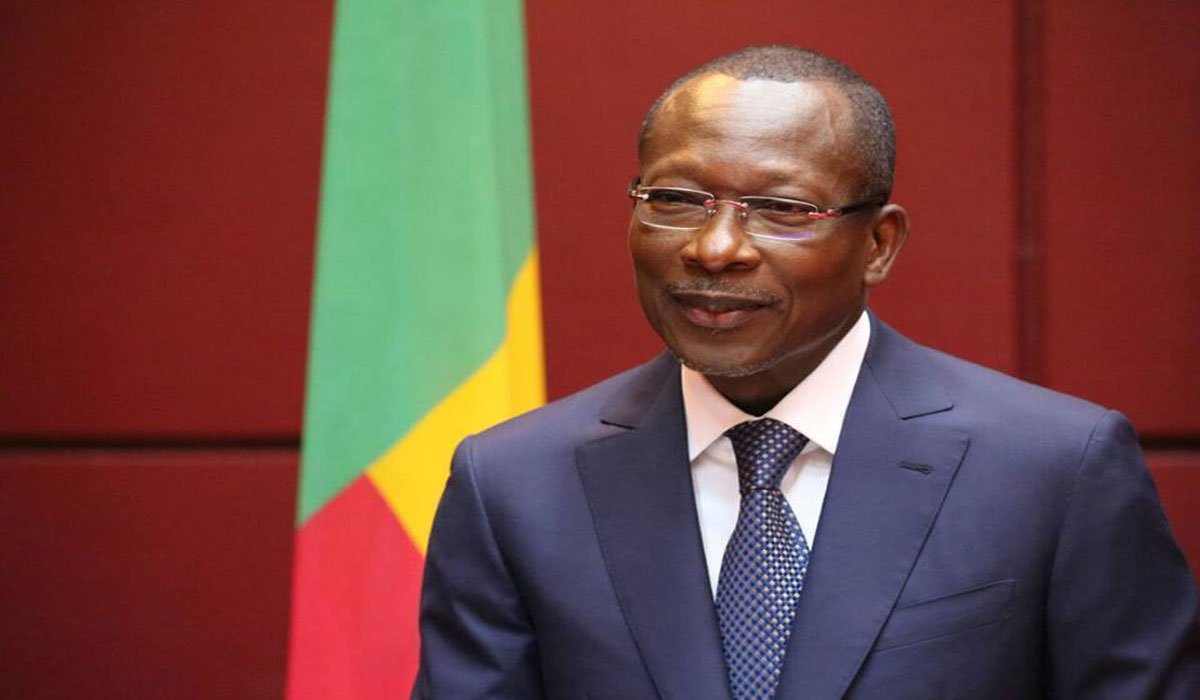
On August 6, 2026, Benin’s political landscape witnessed a historic milestone. At the Governor’s Palace in Porto-Novo, legislators of the newly established upper chamber elected former President Patrice Talon as the inaugural leader of the bicameral Parliament’s Senate.
After a decade in the executive seat—from 2016 to 2026—Patrice Talon, architect of the Nouveau Départ agenda, proved that leaving the presidency doesn’t equate to political retirement or exile in West Africa.
The reinvention of a former leader
Patrice Talon’s election to the Senate, secured by a commanding majority, symbolizes the culmination of constitutional reforms reshaping Benin’s governance framework.
- Stability through representation: With 25 seats—including former heads of state as ex-officio members—the Senate is designed to act as a stabilizing force and guardian of national unity.
- Legislative influence: By leading the Senate’s permanent bureau, Talon retains significant political leverage, serving as a moderating force in the nation’s democratic process alongside the National Assembly.
Can power transition smoothly after Marina Palace?
In a region where African leaders often cling to power or vanish abruptly from public life, Patrice Talon’s journey stands out:
- Upholding constitutional limits: By handing over the presidency after two full terms, he reinforced Benin’s tradition of peaceful transition.
- Leveraging legislative authority: Rather than seeking international roles or private ventures, he chose to institutionalize his influence through the Senate.
- Arbitrating reform and stability: As a senior statesman among Senate peers, Talon positions himself as a key figure in shaping the country’s future governance.
What Patrice Talon’s Senate presidency means
His August 6, 2026 election underscores a broader shift in African governance: the potential for former presidents to contribute meaningfully beyond the executive branch. It reflects a maturing democratic culture—one worth observing across the continent.