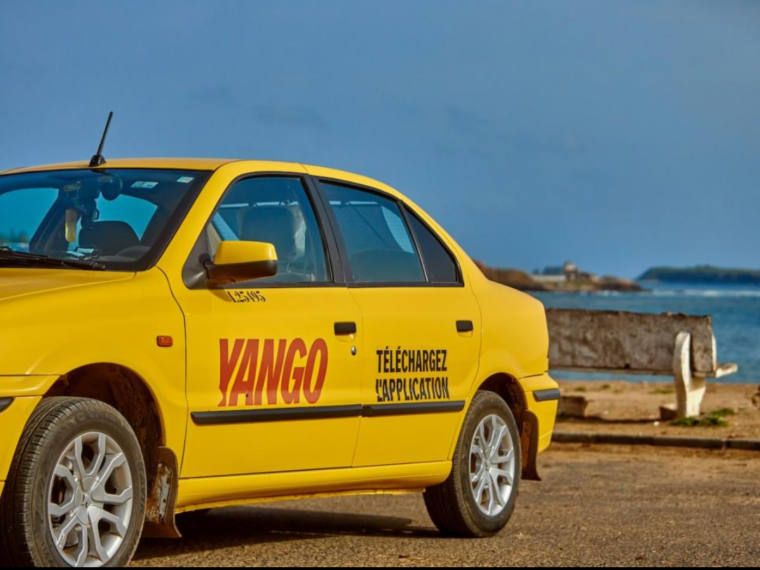
Ride-hailing giant Yango is embroiled in a growing scandal in Senegal following multiple reports of sexual assaults, knife-point robberies and threats against women passengers allegedly perpetrated by one of its drivers.
The accusations have triggered fierce public outcry and reignited urgent discussions about passenger safety, driver accountability and the regulatory oversight of digital transport platforms operating in the country.
The controversy stems from multiple testimonies, shared widely across social media, in which several women describe eerily similar experiences involving the same driver during trips between Mbour and Dakar. Women report alarming patterns: seemingly routine journeys that suddenly veer off course, drivers locking car doors, and passengers being coerced into isolated locations under false pretenses.
Escalating violence: from intimidation to alleged sexual crimes
Several accounts include accounts of drivers brandishing knives to exert control over victims. Survivors also describe attempts to access their mobile money accounts—particularly Wave and Orange Money—by force. Most shockingly, multiple women allege they were sexually assaulted or raped under threat of violence during these trips.
Survivors’ testimonies reveal a disturbing modus operandi: drivers would manipulate GPS routes, claim system errors, and ultimately steer vehicles into secluded areas where assaults allegedly occurred. The coordinated nature of the accusations raises serious concerns about systemic failures within the platform’s operational and safety protocols.
Yango responds amid mounting public pressure
In a rare public statement, Yango acknowledged awareness of the “serious accusations” and expressed concern. The company claimed to have reached out to individuals who made reports and their families, while asserting full cooperation with authorities. However, the platform’s initial internal review reportedly failed to locate any ride records matching the alleged journeys—a claim that has only deepened skepticism among users and advocates.
This discrepancy raises critical questions: Was the accused driver actively driving on the platform at the time? If so, why did the system not flag or record the disputed trips? As investigations unfold, transparency from Yango will be essential in restoring trust—or risking irreversible reputational damage.
Broader implications: safety of women in ride-hailing beyond Yango
The scandal has spotlighted a much larger issue: the safety of women passengers in private transport across Senegal. Ride-hailing apps are widely used for their convenience, particularly for nighttime travel or routes underserved by public transport. Features like real-time tracking, driver ID verification and trip sharing are designed to enhance safety—but when systems fail, the consequences can be devastating.
Key concerns now dominate public discourse: How are drivers vetted before being allowed on platforms? Are criminal background checks mandatory? How do companies monitor driver behavior in real time? What protocols exist for emergency intervention when a passenger feels threatened?
Civil society demands justice and systemic reform
Women’s rights organizations have been vocal in calling for accountability. Advocacy groups like WaxJotNa have issued statements demanding full investigations, urgent support for survivors and stronger regulatory oversight of private transport operators in Senegal.
The organization insists on rigorous driver screening, enhanced monitoring systems and mandatory reporting of incidents. Their demands reflect a growing consensus: the sector cannot continue operating with loose controls while women’s safety is at risk.
Who is ultimately responsible for passenger safety?
Legally, the question of liability remains complex. Can a ride-hailing platform be held responsible for the criminal acts of an independent driver using its service? The answer hinges on the driver’s contractual relationship with the platform, applicable laws and whether company negligence can be proven. At this stage, no legal conclusions can be drawn without complete investigations. However, platforms cannot ignore the rising demand for accountability and safety assurance from users.
A moment to redefine trust in Senegal’s VTC sector
This crisis may mark a turning point for Senegal’s digital transportation industry. It underscores that technology alone cannot ensure safety without robust safeguards, transparent operations and responsive governance. For the millions of women who rely on ride-hailing apps daily, the question is no longer just about convenience—it’s about dignity, bodily autonomy and the fundamental freedom to travel without fear.
The path forward demands urgent action: thorough investigations, unconditional support for survivors and a renewed commitment from all stakeholders to put women’s safety at the heart of Senegal’s transport revolution.